
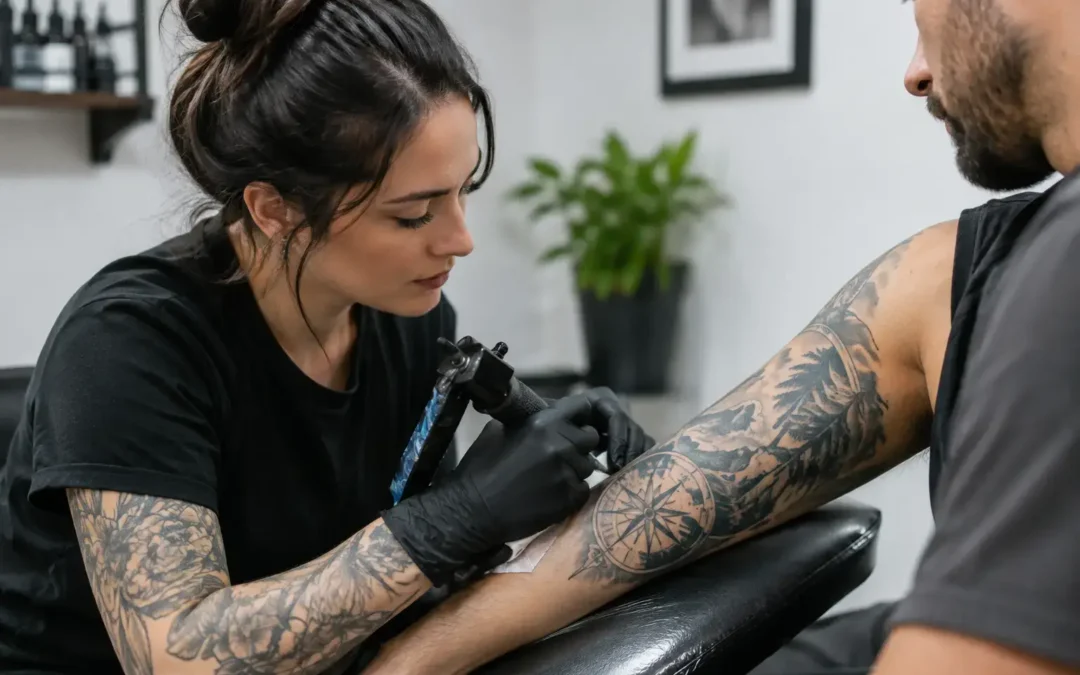
A tattoo can begin with something as small as a photograph, a handwritten note, a favorite animal, or an image you cannot quite explain yet. The difference between a tattoo you simply get and one you are proud to wear for life is what happens next. Tampa custom tattoos should be built around your story, your body, and an artist’s ability to turn a rough idea into intentional artwork.
That does not mean you need to arrive with a finished drawing. In fact, many of the strongest custom pieces begin with a conversation. You bring the meaning, references, and direction. Your artist brings composition, technical knowledge, and a clear eye for what will look right on skin years from now.
Custom Tattoo Design Starts With Listening
A custom tattoo is not a catalog image with a name added underneath it. It is a design made specifically for you, taking into account the subject matter, mood, style, placement, and scale of the piece.
During a good consultation, the first question is not always, “What do you want tattooed?” It may be, “What do you want this piece to feel like?” A memorial portrait calls for a different approach than a bold Japanese-inspired sleeve. Fine-line florals need different spacing than a full-color design. A cover-up has its own set of rules because the existing tattoo affects the new composition from the start.
Bring references if you have them, but use them as a direction rather than a finished blueprint. A few images can show whether you are drawn to soft black and grey shading, high-contrast realism, strong color saturation, clean linework, or a particular overall mood. The goal is not to copy another person’s tattoo. It is to identify what speaks to you and create something original from there.
Your Artist Should Be Honest About What Works
Great custom work includes honest guidance. Sometimes the smallest version of a detailed portrait will not age well. Sometimes the placement you first imagined does not provide enough room for the movement of the design. Sometimes a cover-up needs to be larger or darker than expected to truly conceal what is underneath.
That honesty protects the final result. A professional artist should explain the trade-offs clearly and offer options, not push you into a design that does not fit your goals. You are trusting someone with permanent artwork. The planning deserves real attention.
Choosing the Right Style for Your Idea
The best tattoo style is the one that serves the concept and feels true to your personal taste. It also needs to fit the size and placement you have in mind. A detailed scene on the forearm, for example, has different possibilities than a tiny design behind the ear.
Black and grey tattoos can create depth, emotion, and a timeless look. They work especially well for portraits, religious imagery, realism, dramatic lettering, and pieces with a cinematic feel. Full-color tattoos can bring energy and contrast to florals, pop culture concepts, animals, illustrative work, and Japanese-inspired designs.
Fine-line tattoos have a refined, understated quality, but they are not automatically the right answer for every image. Delicate lines and tiny details need enough breathing room to stay readable as the tattoo settles over time. If you want a small, meaningful piece, an artist may simplify a design so it remains clear rather than becoming visually crowded.
Large-scale work creates room for a bigger story. A sleeve, back piece, or leg project can connect several subjects through background, flow, contrast, and repeated motifs. These projects are rarely completed in one sitting, which makes planning especially valuable. You want a design that feels complete from the first session while leaving room for the larger vision to develop.
Placement Is Part of the Artwork
Your body is not a flat canvas. Muscles move, joints bend, and every placement has its own shape. A design that looks balanced on paper may need adjustments to sit naturally on the arm, shoulder, chest, thigh, or calf.
Think about visibility as well as appearance. Is this tattoo for you to see every day, or do you want it in a location that stays more private? Are you comfortable with a hand, neck, or finger tattoo that may be hard to hide? Does your work environment affect where you want the piece placed? These are practical questions, not reasons to compromise your vision. They help you make a decision you will continue to feel good about.
Pain also varies by placement, but it should not be the only factor. Areas near bone, joints, ribs, feet, and inner limbs can be more sensitive. For a meaningful design, choosing the right placement is usually more important than choosing the easiest one. Your artist can help you understand what to expect and how to prepare for the session.
What the Design Process Should Feel Like
The design process should be collaborative without becoming confusing. You should feel heard, but you should also trust the artist to make creative decisions that improve the tattoo. That balance is where custom work becomes personal rather than generic.
After the consultation, the artist develops the concept around the agreed direction. Depending on the project, this may include selecting references, working out the composition, creating background elements, and adjusting the design to fit your placement. For larger pieces, the design may be developed in stages so each session builds naturally into the next.
It helps to be clear about your non-negotiables. Maybe a certain flower, date, face, symbol, or phrase must be included. Then be open about the details that can change. An artist may reposition an element, alter the angle, or simplify part of the design to make the entire piece stronger. That is not a loss of control. It is the craft at work.
Cleanliness and Comfort Are Not Extras
Custom artwork deserves a professional setting. A clean studio, proper equipment, sterile practices, and clear aftercare guidance are all part of the tattoo experience. They are not optional upgrades.
Comfort matters too, especially for first-time clients and long sessions. You should feel comfortable asking questions about the process, the expected session length, or how to care for the tattoo afterward. A professional studio will make room for those questions and give straightforward answers.
Before your appointment, eat a solid meal, drink water, wear clothing that gives easy access to the area being tattooed, and avoid arriving exhausted or dehydrated. If you are taking medications or have a medical condition that could affect the appointment, discuss it with a qualified medical professional and let the studio know what is relevant before your session.
Tampa Custom Tattoos for First Pieces, Sleeves, and Cover-Ups
Whether you are planning your first tattoo or adding to a collection, the process should meet you where you are. A first-time client may need more reassurance about placement, pain, and aftercare. An experienced collector may be focused on finding the right artist for a portrait, a full sleeve, or a cover-up that requires serious design strategy.
Cover-ups deserve particular patience. The old tattoo does not disappear just because a new design is placed over it. Color, darkness, linework, and shape all affect the options. In some cases, a redesign can create a dramatic transformation. In others, lightening sessions may provide more flexibility before new work begins. The right plan depends on the existing tattoo and the result you want to achieve.
At Socrates Ink Gallery, the focus is on treating that process with the respect it deserves – from the first conversation to the finished piece. The best tattoo experience is not rushed. It is built on strong communication, skilled execution, and confidence in the work going on your skin.
Bring the idea that has been sitting in your notes app, saved photos, or memory for years. Be ready to talk about what it means, where you want it, and how you want it to feel. From there, trust the process and give the artwork the time it needs to become yours.