
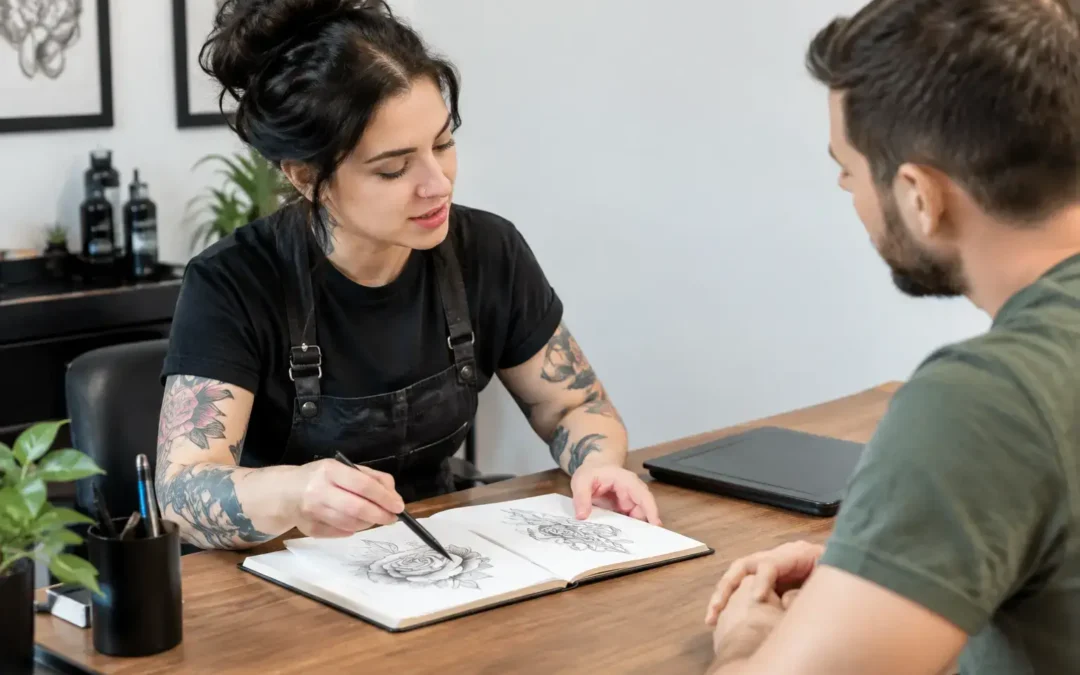
A tattoo starts long before the machine touches your skin. It starts when an idea becomes a conversation: a memorial you want handled with care, a sleeve that needs room to grow, or a cover-up that has to solve a real design challenge. That is why tattoo consultation cost is not just a question about price. It is a question about the planning, artistic judgment, and trust behind permanent artwork.
For a small, straightforward design, the consultation may be brief or even folded into the booking process. For a portrait, Japanese-inspired project, full sleeve, or cover-up, the conversation can be one of the most valuable parts of the experience. The right consultation helps protect the outcome before you commit to ink.
What Does a Tattoo Consultation Cost?
There is no single industry-wide price for a tattoo consultation. Some studios offer an initial consultation at no charge, particularly when it is short and focused on discussing placement, general size, availability, and whether the project is a good fit. Other artists charge a consultation fee, especially for complex custom work that requires dedicated time, reference review, preliminary direction, or detailed cover-up planning.
A consultation fee may be separate from the tattoo price, or it may be applied toward the final session if you book. A deposit is different. Deposits are commonly used to reserve an appointment and compensate the artist for time set aside, preparation, and custom drawing work. Depending on the studio policy, a deposit may be nonrefundable but transferable when proper notice is given.
The best question is not simply, “How much is the consultation?” Ask what the fee includes, whether it is credited toward the tattoo, and what happens after the meeting. Clear answers are a sign of a professional process.
Why complex projects can require more planning
A tiny fine-line tattoo and a full-color back piece do not need the same amount of preparation. Larger projects involve composition, body flow, color choices, session planning, reference research, and long-term placement decisions. A good artist is thinking about how the design will move with the body, read from a distance, age over time, and connect with any future work.
Cover-ups demand even more precision. The existing tattoo’s darkness, size, location, and shape all affect what can realistically be done. An experienced artist may recommend a different subject, a larger scale, stronger contrast, or a few laser-lightening sessions before tattooing. That advice is not a sales tactic. It is an honest effort to give you a result that looks intentional instead of forcing a weak design over a difficult canvas.
What a Strong Consultation Should Include
A custom tattoo consultation should feel like a focused creative meeting, not a rushed sales conversation. You should leave with a clearer understanding of what is possible, what needs adjustment, and what the next step will be.
First, the artist needs to hear the meaning and visual direction behind your idea. You do not need to arrive with a perfect sketch. A few reference images, a theme, preferred styles, and an honest explanation of what you like or dislike are often enough to begin. The artist’s role is to translate that raw material into tattooable art, not copy a random image exactly.
Placement and size should be discussed early. A design that looks great on a phone screen may not work at two inches on a curved body part. Fine details can disappear, lettering can blur, and a portrait can lose its likeness if it is too small. A professional consultation gives the artist room to explain those trade-offs before they become permanent disappointments.
The conversation should also cover style. Black and grey, color, fine-line, realism, traditional influence, and Japanese-inspired work each make different demands on the design. If you are building a sleeve, the artist may discuss a larger visual plan rather than treating every tattoo as an isolated sticker. That planning creates a more cohesive result and can save you from expensive revisions later.
Finally, expect practical information: estimated session length, general pricing structure, deposit requirements, scheduling, healing expectations, and any preparation you should complete before your appointment. Exact tattoo prices may not be available until the artist understands the full scope of the work, and that is reasonable. A responsible estimate depends on the actual design, not a guess made from one sentence.
When Paying for a Consultation Makes Sense
A paid consultation makes the most sense when the artist is being asked to provide meaningful expertise before the tattoo is booked. This may include evaluating a cover-up, reviewing extensive references for a custom sleeve, mapping a multi-session project, or discussing how to transform a personal story into original artwork.
It can also be worthwhile if you are deciding between multiple directions. Perhaps you want a portrait but are unsure whether black and grey or color better suits the subject. Maybe you have an older tattoo that needs to become part of a larger piece rather than disappear entirely. A consultation gives you a space to make those decisions with an artist who understands what will actually work on skin.
That said, a fee is not automatically proof of quality, and a complimentary consultation is not automatically less valuable. The real measure is whether the studio is clear about the process, respectful of your time, realistic about the design, and committed to clean, professional tattooing.
How to Get More Value From Your Consultation
Come prepared, but do not over-direct the art. Bring reference images that show the mood, style, subject matter, or placement you like. It also helps to point out what you do not want. If a reference is meaningful because of its color palette but you dislike its linework, say so. Those details help the artist understand your vision without asking them to duplicate another person’s tattoo.
Be honest about your budget and timeline. There is no benefit in pretending you are ready for a five-session project if you can only commit to one session right now. A skilled artist may be able to suggest a phased approach, simplify certain elements, or recommend a size that fits both the concept and your budget without compromising the integrity of the design.
For a cover-up, bring clear photos of the existing tattoo in natural light and be open to alternatives. For a large project, wear clothing that makes the placement easy to access and discuss. If you have a skin condition, relevant medical concern, or history of reactions, raise it before booking. Good planning supports both comfort and safety.
Questions Worth Asking Before You Book
You do not need a long checklist, but a few direct questions can prevent confusion. Ask whether the consultation has a fee, whether that fee or deposit is applied to the tattoo, and when the final design will be presented. Ask how the studio handles rescheduling and whether changes in size, placement, or concept may affect the quote.
You can also ask how the artist approaches custom work. Will they create an original design from your references? How much flexibility is there once the stencil is prepared? What is realistic for the placement you chose? An artist who answers directly is helping you make an informed decision, not pressuring you into an appointment.
At Socrates Ink Gallery, the consultation is part of the creative groundwork for artwork that feels personal, intentional, and built for your skin. Whether your idea is delicate and minimal or designed to become a full-scale statement piece, the goal is the same: make sure the vision is strong before the tattoo begins.
The most valuable consultation is the one that gives you confidence to move forward – or clarity to rethink the idea before making it permanent. Bring your story, ask direct questions, trust experienced guidance, and give your tattoo the planning it deserves.