
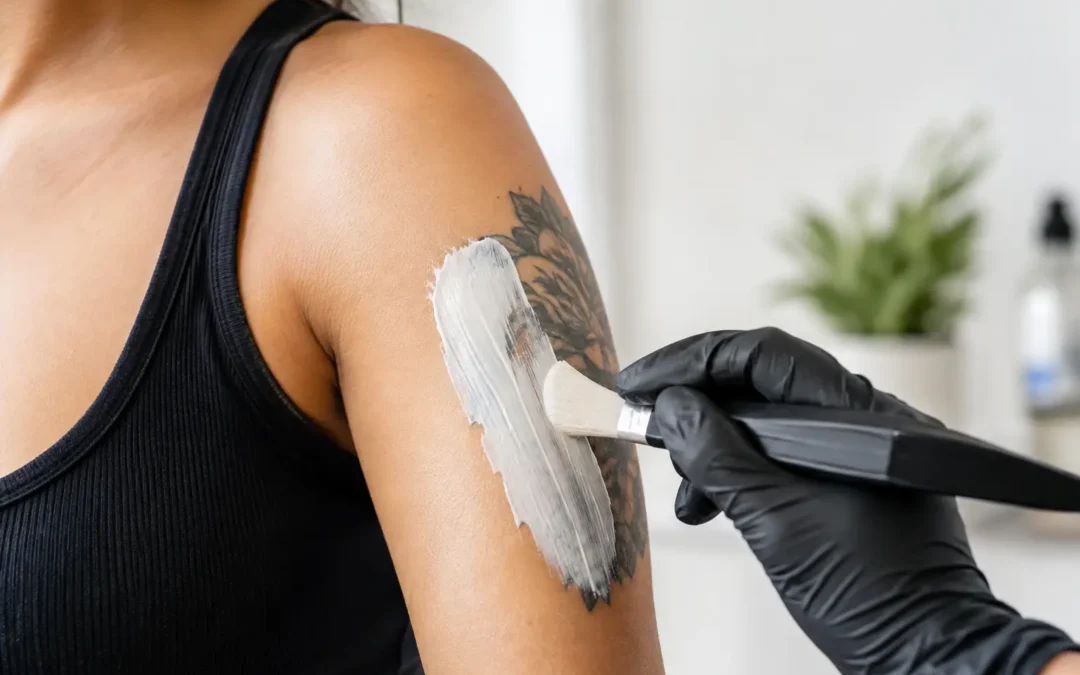
A faded name, a heavy black symbol, or an old design that no longer fits your life can feel impossible to move past. So, can coverups hide dark ink? Yes, often they can, but a successful result depends on more than placing a larger tattoo over the old one. It takes a design built around the existing ink, realistic expectations, and an artist who knows how to use contrast, flow, and placement with intention.
A cover-up should not feel like a patch. Done well, it becomes artwork you are proud to wear, with the old tattoo absorbed into a new composition instead of simply buried beneath it.
Can Coverups Hide Dark Ink Completely?
Dark ink is the most demanding type of tattoo to cover, especially if it is saturated black, densely packed, or placed in a high-visibility area with little room to expand the design. Black pigment remains strong in the skin for years, even when it appears faded at a glance. Adding a light-colored tattoo over it will not make it disappear. In many cases, the old ink will still influence how the new color or shading heals.
That does not mean dark tattoos cannot be transformed. It means the new design needs a smart visual strategy. An experienced cover-up artist studies where the darkest areas sit, how large the old tattoo is, how it has aged, and what skin is available around it. The original lines may become shadow, texture, negative space boundaries, or part of a deeper background.
The goal is usually not to pretend the old tattoo never existed under a microscope. The goal is to create a new piece so cohesive and visually powerful that your eye reads the new art first. From normal viewing distance, a thoughtfully designed cover-up can make the former tattoo extremely difficult to identify.
Why Some Dark Tattoos Are Easier to Cover Than Others
Two tattoos with the same amount of black ink can require completely different plans. A small, faded script tattoo may offer plenty of flexibility. A solid black tribal piece, a large lettering block, or a poorly healed tattoo with scar tissue may need a more complex design, more sessions, or laser fading before tattooing begins.
Size is one factor, but density matters just as much. Fine black lines are easier to redirect than broad areas of solid pigment. Placement matters too. A tattoo on the upper arm, thigh, back, or calf often gives an artist more room to build a natural composition. A design on the wrist, finger, ankle, or side of the hand may be harder to expand without making the final tattoo feel crowded.
Skin condition also affects the plan. Healthy, fully healed skin gives the artist a more predictable surface. Raised scars, uneven texture, and areas that have been tattooed repeatedly require a careful approach. A consultation is where these details become clear. Photos can start the conversation, but seeing the tattoo in person helps an artist evaluate the ink, skin, and available space accurately.
The Design Matters More Than Just Making It Bigger
A common cover-up rule is that the new tattoo usually needs to be larger than the old one. That is generally true, but size alone is not the answer. A bigger design without purposeful shading can still leave old lines visible through healed skin.
Strong cover-ups use structure. Organic shapes such as flowers, leaves, feathers, smoke, waves, animal fur, and layered Japanese-inspired elements can create movement around an old tattoo. Black and grey realism can use deep shadows and texture to break up unwanted lettering or symbols. Full-color work can be effective when the palette includes enough depth and saturation, but bright colors should not be expected to overpower solid black ink by themselves.
Portraits, animals, masks, ornamental work, and larger illustrative pieces can also be excellent options when they fit your personal style. The right concept comes from the tattoo you want now, not from forcing every cover-up into the same flower or blackout solution.
A good artist will be honest if your first idea does not offer enough coverage. That is not a lack of creativity. It is respect for the permanence of the work. Sometimes a small adjustment in subject, angle, or placement is all it takes to turn a difficult concept into a strong one.
Darker Areas Need a Place in the New Composition
The most effective designs work with dark ink instead of fighting it. If an old tattoo has a dense black area, that spot may become the deepest shadow in a rose, the background behind a tiger, the interior of a wing, or a bold section of a larger black and grey composition.
This is why custom drawing matters. A pre-made image rarely aligns perfectly with the shape and density of an existing tattoo. Your artist needs to draw for your body, your old ink, and the way the new piece will flow with your natural anatomy. That process can take time, but it is where an ordinary cover-up becomes convincing custom art.
When Laser Fading Makes Sense Before a Cover-Up
Laser removal does not always mean fully removing a tattoo. For many clients, a few laser sessions are used to lighten the darkest areas enough to give the cover-up more options. This is often called laser fading, and it can be especially useful for very dark, saturated black designs or tattoos with limited space around them.
Fading can allow for a smaller final tattoo, more detail, lighter tones, or a design that better matches what you actually want to wear. It may also reduce the need for extremely heavy shading. The trade-off is time, cost, and patience. Laser appointments are spaced apart, and the skin must heal fully before a new tattoo can be safely applied.
Not every dark tattoo needs laser work. If you are open to a larger, darker, or more layered design, a skilled artist may be able to create a strong cover-up without it. But if you want delicate fine-line work, pale colors, or a compact design over dense black ink, laser fading may be the more realistic path.
What to Expect From the Cover-Up Process
The best place to start is an honest consultation. Bring clear photos if you are planning ahead, but be prepared to discuss your goals in person. Share what you dislike about the old tattoo, what styles you are drawn to, and whether you are willing to go larger or darker. The more open the conversation, the better the design direction.
Your artist may recommend a few possible concepts rather than promising one immediate solution. That is a good sign. Cover-up work deserves careful planning because the tattoo has to solve a visual problem while still reflecting your identity and taste.
Once the design is selected, the session itself may take longer than a simple tattoo of similar size. Cover-ups often require deliberate layering, saturated black and grey work, or multiple appointments to build depth safely. Healing can also reveal changes that are not visible on the first day. Fresh tattoos look darker and sharper initially, then settle as the skin recovers.
Follow aftercare instructions closely. Clean healing helps preserve contrast, reduce complications, and give the new tattoo its best chance to settle evenly. Avoid picking, soaking, sun exposure, and anything that puts unnecessary stress on healing skin. If a touch-up is recommended after the tattoo heals, it is part of refining the finished artwork, not a sign that the plan failed.
Choose an Artist Who Will Tell You the Truth
Cover-up tattoos demand technical skill, but they also demand judgment. Be cautious of anyone who guarantees they can cover any tattoo with any design, particularly a tiny light-colored piece over dense black ink. Tattoo pigment, skin tone, healing, and the age of the existing tattoo all affect the final result.
Look for an artist whose portfolio shows healed cover-ups, not only fresh work. Fresh ink can temporarily hide almost anything because of redness, swelling, and surface shine. Healed results show whether the old tattoo remains visible, whether the contrast held, and whether the new design still reads clearly over time.
At Socrates Ink Gallery, cover-up planning is treated as custom art from the first conversation. The focus is on creating a design that works with your skin and your existing tattoo, while giving you a result that feels intentional, personal, and worth the commitment.
The tattoo you regret does not have to dictate the artwork you wear next. Bring the real situation to the consultation, stay open to the design possibilities, and trust a thoughtful process that puts lasting results ahead of quick promises.