
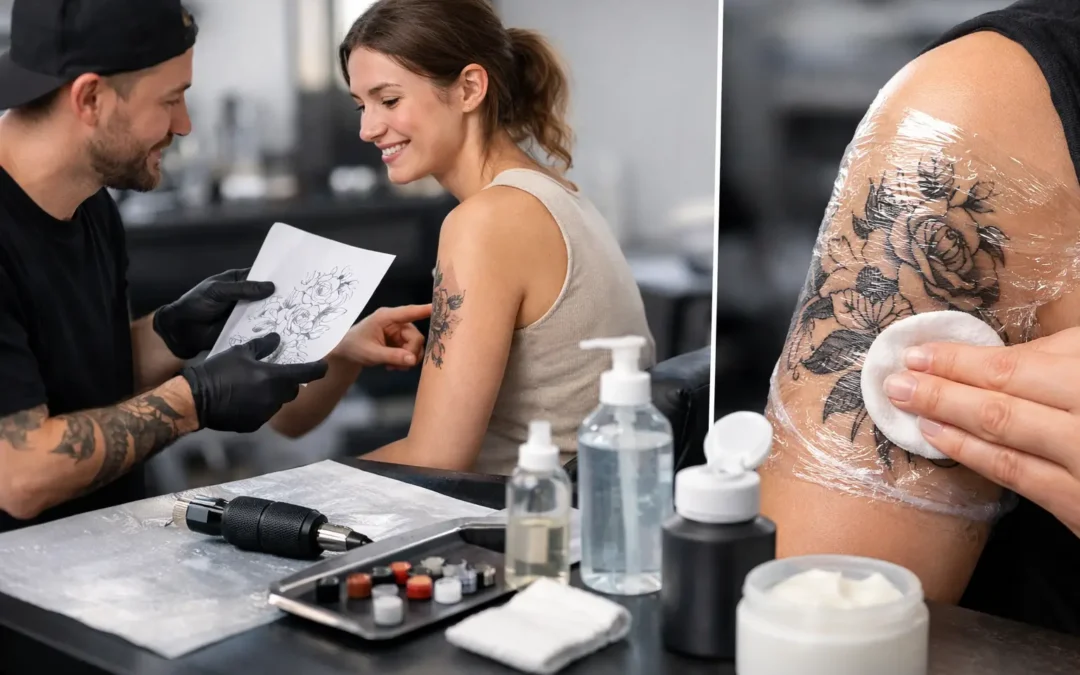
A great tattoo begins long before the needle touches skin. The design matters. The artist matters. So does the environment where your idea becomes permanent artwork. Tattoo hygiene is not a background detail or a question to ask after the appointment is over. It is part of the process that protects your health, supports clean healing, and gives your new piece the best chance to settle into the skin beautifully.
Whether you are planning your first fine-line tattoo, building a sleeve, or covering an older piece, you should feel comfortable asking how a studio prepares, works, and cleans up. A professional artist will welcome that conversation. Quality tattooing is built on trust, and trust includes knowing that the artist takes your safety as seriously as your design.
What Tattoo Hygiene Looks Like in a Professional Studio
Cleanliness at a tattoo appointment is a system, not a quick wipe of the workstation. A professional setup begins with a clean, organized station and single-use items where they are needed. Needles, ink caps, razors, gloves, ointment applicators, and barrier materials should be handled with intention so there is no cross-contamination between surfaces, equipment, and skin.
Your artist should wash their hands and put on fresh gloves before setting up and before beginning the tattoo. Gloves should also be changed whenever the artist touches something outside the protected work area, such as a phone, door handle, drawer, or payment terminal. It may seem like a small detail, but it is one of the clearest signs that the process is being managed correctly.
Reusable equipment requires a different level of care. Items that can be sterilized must be processed using appropriate professional methods, while surfaces that cannot be sterilized should be protected with disposable barriers and disinfected between clients. The chair, armrest, tray, machine components, and nearby work surfaces all matter. A clean studio is not simply one that looks polished when you walk in. It is one with consistent habits behind the scenes.
At Socrates Ink Gallery, the artistic experience and the sanitary experience belong together. You deserve focused design collaboration, skilled application, and a space that feels comfortable from consultation through the final bandage.
Tattoo Hygiene Starts With the Client, Too
Your artist manages the professional setup, but clients have a role in keeping the appointment safe and smooth. Come to your session clean, well-rested, hydrated, and ready to sit. Showering beforehand is a simple way to reduce surface bacteria and helps you arrive feeling fresh for a close-contact appointment.
Avoid showing up with sunburned, irritated, or broken skin in the area being tattooed. A fresh sunburn can make the skin more sensitive and unpredictable, and tattooing over a rash, cut, or active skin irritation is not worth the risk. If the area has changed since your consultation, send a message or be prepared to reschedule. Protecting the result is more valuable than forcing a session on a bad skin day.
Alcohol and recreational substances before a tattoo appointment are also a bad trade. They can affect judgment, make it harder to sit well, and may increase bleeding. Some medications and medical conditions can affect healing or bleeding too. Be honest with your artist about anything relevant, and speak with a healthcare professional if you are unsure whether tattooing is appropriate for you.
Clean clothing helps as well. Choose something comfortable that gives the artist clear access to the placement without rubbing tightly against the fresh tattoo afterward. For a large thigh piece, for example, loose shorts may make more sense than restrictive jeans. For an arm tattoo, a clean sleeveless shirt or loose sleeve can make the day easier.
The First Hours Matter Most
Once your tattoo is finished, it is an open wound. That is not meant to make the experience sound dramatic. It is simply the reason aftercare instructions deserve your full attention. Your artist will clean the area and apply a bandage or protective film suited to the tattoo and your skin. Follow the instructions you are given rather than relying on a friend’s routine or a random social media tip.
The right bandage timing depends on the product used, the location of the tattoo, and how the skin is responding. Some protective films are intended to stay on for a specific period, while a standard wrap may come off sooner. Do not peel it back repeatedly to check the tattoo. Every unnecessary touch introduces more opportunity for bacteria and irritation.
When it is time to remove the covering, wash your hands first. Then gently wash the tattoo with lukewarm water and a mild, fragrance-free soap. Use clean fingertips, not a washcloth, loofah, or scrub brush. Pat the area dry with a clean paper towel or let it air dry briefly. Rubbing a fresh tattoo with a shared bathroom towel is an easy way to irritate healing skin.
Apply only the aftercare product recommended by your artist, using a very thin layer. More is not better. Heavy ointment can trap excess moisture, collect debris, and leave the skin feeling clogged. The goal is calm, lightly moisturized skin, not a glossy coating.
Healing Without Smothering the Tattoo
Healing tattoos can look intense before they look settled. Mild redness, warmth, tenderness, clear fluid, and light swelling can be normal in the first day or two. Later, the tattoo may feel itchy, dry, or flaky. The temptation is to scratch, pick, or peel at the skin. Resist it. Picking can pull out healing skin prematurely and may affect how the ink settles.
Keep showers brief and avoid soaking the tattoo. That means no baths, hot tubs, pools, ocean swimming, or long sessions in a lake until the skin has fully healed. Water itself is not the enemy, but prolonged soaking softens damaged skin and exposes the area to bacteria and chemicals. Florida heat can make this especially tempting, so plan ahead if your new tattoo falls near a beach day or pool weekend.
Sun protection is another long-term hygiene habit. While the tattoo is healing, keep it out of direct sunlight rather than applying sunscreen to broken or peeling skin. Once the tattoo is fully healed, sunscreen helps protect the color, contrast, and crisp details you invested in. This matters for every style, from delicate black-and-grey shading to saturated color and large-scale Japanese-inspired work.
Exercise requires some judgment. Light movement is often manageable, but a hard workout can create sweat, friction, and contact with shared equipment. A tattoo on the inner arm, rib area, thigh, foot, or back may need more recovery time depending on how it rubs against clothing or gym surfaces. If you do exercise, wear clean loose clothing, avoid direct contact with communal equipment, and wash the tattoo gently afterward.
Red Flags That Need More Than Aftercare Advice
Normal healing is not the same as an infection. Contact a healthcare professional promptly if you notice worsening redness that spreads outward, increasing pain after the first few days, significant swelling, thick yellow or green discharge, red streaks, fever, or chills. Do not try to solve a possible infection by applying extra ointment or waiting it out because you do not want to disrupt your tattoo’s appearance.
Allergic reactions and skin sensitivities can happen as well, especially with certain pigments or adhesive bandages. Persistent raised bumps, a severe rash, intense itching beyond typical healing, or blistering deserves medical guidance. Tell your artist what happened so future sessions can be planned with that information in mind, but seek medical care when symptoms point beyond routine irritation.
Choose Process Over Shortcuts
Tattoo hygiene does not take away from the creative side of tattooing. It protects it. A custom tattoo is a collaboration between your vision, the artist’s craft, and the time your skin needs to heal. Cutting corners on cleanliness can turn an exciting appointment into an avoidable problem, while a careful process lets you focus on what you came for: artwork that feels personal and lasts.
Ask questions. Follow your aftercare instructions. Give your skin room to recover. The best way to honor a meaningful new tattoo is to treat its healing period as part of the art, not the moment after it.