
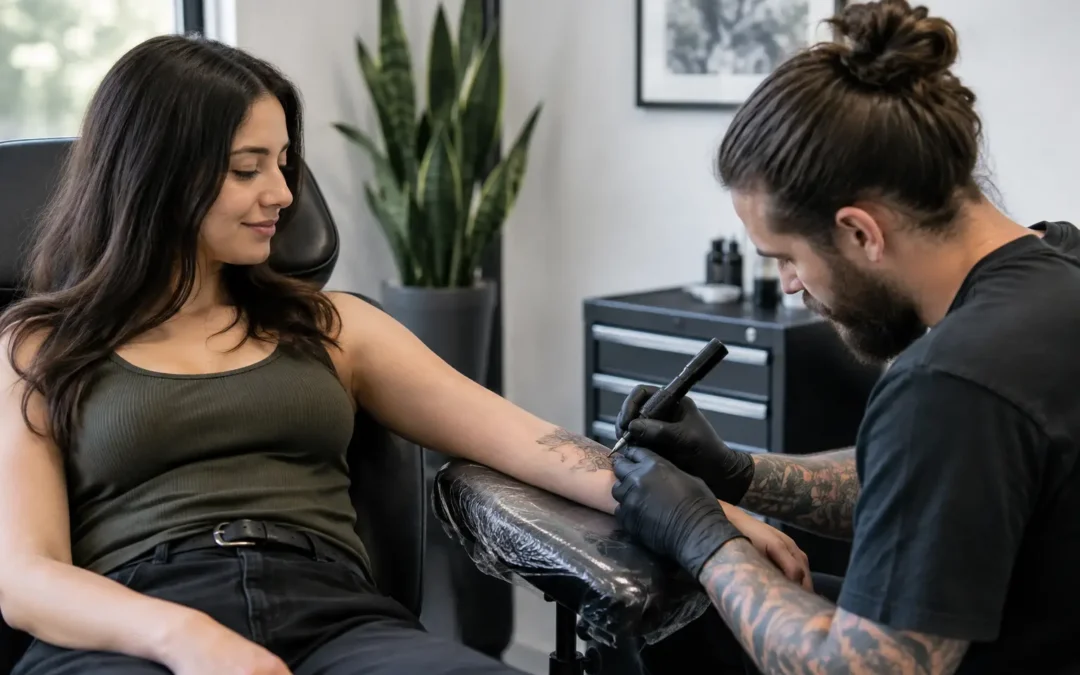
A walk in tattoo Tampa experience should feel exciting, not careless. Maybe you finally have a free afternoon, you are visiting the area, or an idea that has been sitting in your notes app suddenly feels like the right one. That spontaneity can be part of the story. But the tattoo itself is permanent, which means good walk-in work still deserves a clear conversation, a clean setup, and an artist who knows when a design can be done well that day.
At Socrates Ink Gallery, the goal is never to rush a person into a tattoo just because they walked through the door. The goal is to turn a solid idea into artwork you will be proud to wear. For some clients, that means leaving with a new piece the same day. For others, it means starting a consultation for a larger custom project. Both are worthwhile outcomes.
What a Walk In Tattoo Tampa Visit Can Look Like
Walk-in availability is not the same as unlimited availability. Artists may be in the middle of scheduled sessions, preparing drawings, or setting aside time for larger work. The size, placement, complexity, and timing of your idea all affect whether it is a good fit for a same-day appointment.
Small tattoos often work well for walk-ins when the concept is clear and the design can be created without sacrificing detail. Fine-line symbols, initials, short meaningful phrases, small black and grey imagery, simple florals, and clean custom pieces are common examples. A skilled artist can help refine proportions and placement so the tattoo reads correctly on skin, not just on a phone screen.
A larger portrait, detailed cover-up, full sleeve, Japanese-inspired composition, or multi-session color piece usually needs more planning. That is not a rejection of the idea. It is respect for the work. Large tattoos need room for reference gathering, drawing, composition, and a conversation about how the piece should move with your body. The best result often starts with a consultation, then a scheduled session built around the artwork.
The Difference Between Fast and Prepared
There is a difference between being ready for a walk-in tattoo and being pressured into one. A professional studio can move efficiently while still taking the time to confirm the design, stencil placement, sizing, and aftercare expectations.
Before tattooing begins, your artist should have enough information to make smart decisions. Is this your first tattoo? Is the reference image meant to be copied exactly, or is it inspiration for something original? Does the placement get heavy sun exposure or frequent friction? These details are not small talk. They help shape a tattoo that heals well and holds up over time.
If an artist suggests a slightly larger size, a cleaner line approach, or a different placement, listen to the reason. Tiny details can blur as skin heals and ages. A design that looks perfect at two inches on a screen may need more breathing room to remain readable for years. Trust the process, especially when the advice protects the quality of your tattoo.
How to Prepare for a Same-Day Tattoo
The best walk-ins arrive with an idea, not necessarily a finished design. Bring reference images if they help communicate the mood, subject, or style you want. A few useful examples are better than twenty images with unrelated directions. Be ready to explain what matters most: a specific date, a meaningful symbol, the feeling behind the piece, or the visual style you are drawn to.
Take care of your body before your visit. Eat a real meal, drink water, and get adequate sleep. Wear comfortable clothing that gives the artist easy access to the area being tattooed. If you are planning a thigh tattoo, for example, tight jeans may turn a simple session into an awkward one.
Avoid arriving under the influence of alcohol or drugs. Do not use a tattoo appointment as a test of how little sleep or food you can run on. Your comfort, your ability to sit well, and the quality of the experience all improve when you show up prepared.
It also helps to build in time. Even a small tattoo involves consultation, drawing or adjusting the design, stencil placement, setup, the tattoo itself, and aftercare instructions. If you have to race to dinner, a flight, or another appointment, choose another day. Great tattoos should not be squeezed between obligations.
Be Honest About Your Budget and Expectations
Walk-in tattoos come in many sizes and price ranges, but quality should guide the decision more than finding the lowest number. A professional tattoo requires sterile single-use supplies, quality equipment, trained hands, time, and artistic judgment. Those things matter long after the momentary excitement of getting tattooed.
Be direct about your budget early in the conversation. An artist may be able to simplify the concept, adjust scale, or recommend a focused version that fits the time available. What should not happen is forcing a detailed idea into a size or price point where it cannot be executed properly.
Originality matters, too. Reference images are helpful, but another person’s tattoo should not be copied line for line. A custom artist can take the parts you love – the composition, texture, subject matter, or overall energy – and develop something made for you. That is the difference between wearing a trend and wearing personal art.
Cleanliness Is Part of the Artwork
A walk-in experience should never mean cutting corners on sanitation. The studio environment, equipment preparation, and artist’s process should make you feel confident before the machine ever turns on. Clean, organized stations and careful setup are essential to a professional tattoo experience.
Do not be afraid to ask questions. A reputable artist understands that first-time clients may need reassurance, and experienced collectors may want specifics. You should know how to care for the tattoo afterward, what to expect during the first days of healing, and when to reach out if something does not look right.
Aftercare is where your responsibility begins. Keep the tattoo clean, follow the instructions you are given, and avoid soaking it in pools, hot tubs, or open water while it heals. Protect it from direct sun. Do not pick at peeling skin, even when it is tempting. Healing is not glamorous, but it protects the art you just invested in.
When a Consultation Is the Better Move
Some of the strongest tattoo projects begin as walk-in conversations without becoming same-day tattoos. If you are considering a cover-up, a portrait of someone you love, a sleeve, or a design that combines several personal elements, giving the artist time to build the concept is a smart choice.
A consultation creates space for collaboration. You can discuss placement, style, color versus black and grey, future additions, and the details that make the work yours. It also lets the artist assess old tattoos for a cover-up and explain what is realistically possible. Cover-ups require strategy, not wishful thinking. The existing ink, scar tissue, colors, and desired final image all shape the plan.
The same is true for large-scale work. A sleeve should not look like unrelated tattoos placed beside each other unless that is the intentional style. Strong sleeves use flow, contrast, background, and scale to connect each section. That level of planning is worth scheduling.
Make the Walk-In Moment Count
Spontaneous does not have to mean random. A walk-in tattoo can mark a birthday, a new chapter, a trip, a relationship, a personal victory, or simply a visual idea you are ready to claim. The best ones have a reason behind them, even if that reason is just, “This feels like me.”
Come in open to professional direction, clear about what matters to you, and patient enough to let the art be done right. If your idea is ready today, give it the attention it deserves. If it needs more time, that first conversation may be the beginning of the piece you have been waiting for.