
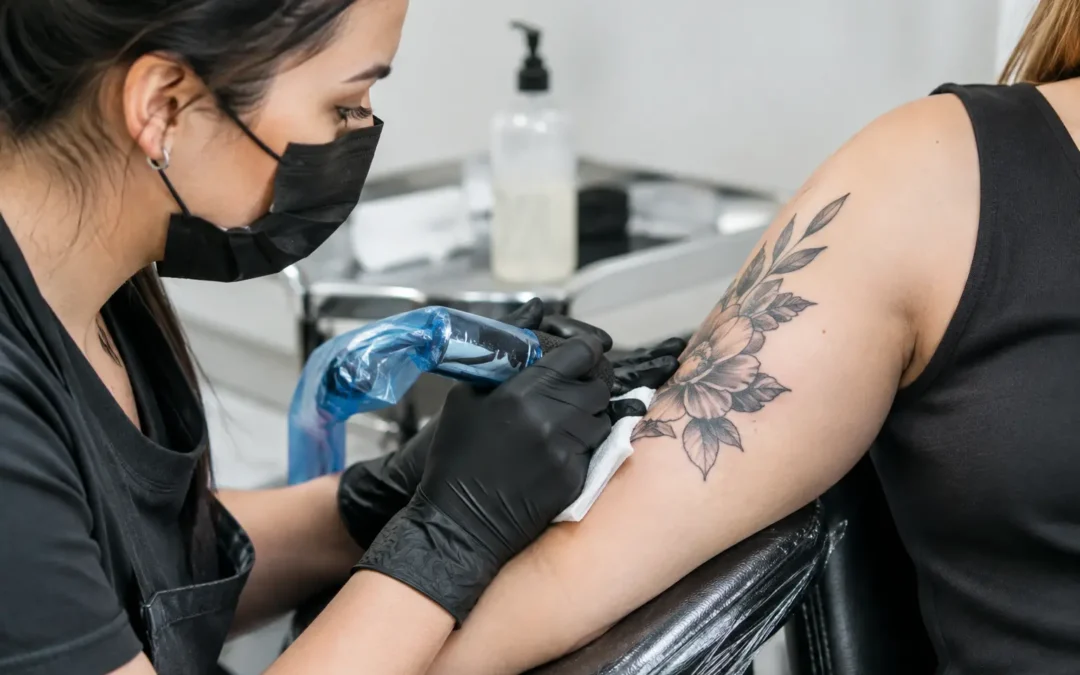
A tattoo is permanent artwork, but the process starts with something just as permanent: trust. If you are asking what makes a tattoo sterile, you are asking the right question. Great tattooing is not only about a strong design, smooth shading, crisp lines, or saturated color. It is also about an artist who protects your health with disciplined, visible sanitation practices from setup through cleanup.
A professional tattoo environment should feel intentional. The station is organized before you arrive, the artist prepares carefully, and anything that touches an open pathway into the skin is handled as a sterile, single-use item or sterilized correctly. Cleanliness is not an aesthetic detail. It is part of the craft.
What “Sterile” Actually Means in Tattooing
Sterile means free of living microorganisms, including bacteria, viruses, fungi, and spores. In tattooing, that standard applies most directly to the items that enter or can directly contact broken skin, especially needles and needle cartridges.
There is an important distinction here: a tattoo studio is not an operating room, and not every object in the room can be sterile. Your chair, the floor, the artist’s machine, and the work surfaces must be clean, disinfected, and protected from contamination. The needle that punctures your skin, however, must be sterile.
Skin itself cannot be made completely sterile. Even after proper cleansing and antiseptic preparation, skin naturally carries microorganisms. The goal is to dramatically reduce that risk, then prevent germs from hands, equipment, bottles, and surrounding surfaces from entering the fresh tattoo.
That difference matters because a station can look spotless while still being unsafe if an artist breaks sterile technique. On the other hand, a professional artist understands that sanitation is a sequence of careful actions, not just a clean-looking room.
What Makes a Tattoo Sterile During the Appointment
A safe tattoo begins long before the stencil goes on. Your artist should wash their hands, set up a fresh station, and prepare all supplies for your specific session. A professional setup uses a system that prevents cross-contamination at every stage.
Sterile, Single-Use Needles
Needles or needle cartridges should arrive in sealed, individually packaged sterilization pouches and be opened immediately before use. The packaging should be intact, dry, and clearly marked for single use. Once a needle has been used, it belongs in an approved sharps container – never on a tray, never reused, and never saved for another appointment.
Many modern tattoo artists use disposable needle cartridges. That can be an excellent approach when the cartridges are sterile, single-use, and paired with a machine setup that is properly barrier-protected. The cartridge itself is only one piece of the system. How the artist handles the machine, grip, cord, and surrounding supplies matters just as much.
If a studio uses reusable metal grips or tubes, those items must go through a true sterilization process in an autoclave after thorough cleaning. An autoclave uses pressurized steam to destroy microorganisms, including hardy spores. Disinfectant wipes and soaking solutions are useful for surfaces, but they do not replace autoclave sterilization for reusable equipment that contacts the tattoo process.
A Fresh, Barrier-Protected Station
A tattoo machine, power supply, clip cord, armrest, spray bottles, light handles, and work tray can all become contamination points if they are touched during a session. Professional artists use disposable barrier film, machine bags, cord covers, and other single-use protections to keep those items from transferring contaminants.
Barriers should be placed before the tattoo begins and removed after the session. Then, exposed surfaces are cleaned and disinfected before the next client is seated. This is why an artist may pause to change gloves before touching a phone, opening a drawer, adjusting equipment, or handling anything outside the protected work area.
Those glove changes are not excessive. They are a sign that your artist understands how easily cross-contamination can happen.
Clean Ink Handling
Ink should be poured into fresh, disposable ink caps for each client. The artist should never tattoo directly from a bottle, and unused ink from your caps should never go back into the original bottle. That simple rule protects the entire supply from contamination.
Professional artists also avoid letting bottle tips touch contaminated gloves, surfaces, or equipment. If a bottle is handled during the tattoo, it should be treated thoughtfully, often with a barrier or clean-glove change. It is a small detail with a big purpose: keeping the tattoo area and the ink supply separate from anything that may carry blood or bodily fluids.
Skin Preparation That Respects the Process
Before tattooing starts, the skin should be assessed, cleaned, and prepared with an appropriate antiseptic product. If shaving is needed, a new disposable razor should be used. The artist then applies the stencil using clean supplies and avoids contaminating the prepared area.
This is also the time to speak up if you have irritated skin, a rash, a sunburn, an active infection, or a reaction to adhesive products. A skilled artist would rather reschedule than tattoo compromised skin. Protecting the final result means protecting the skin it lives in.
Sterile vs. Clean: Why Both Matter
A truly professional studio works in layers. Sterile supplies protect the parts of the process that enter the skin. Cleaning removes visible debris. Disinfection treats hard surfaces with products designed to kill harmful microorganisms. Barriers keep clean equipment clean during the appointment.
No single step carries the entire safety process. A sterile needle does not make up for contaminated ink caps. Fresh gloves do not help if those gloves touch an unprotected phone and then return to the tattoo. An immaculate lobby does not tell you how the station was prepared.
The standard you want is consistency. The artist should move with a clear process, not improvise around sanitation. That is especially meaningful during longer appointments, full sleeves, cover-ups, portrait work, and large color pieces, where there are more supplies, more breaks, and more chances for a careless habit to create risk.
What Clients Should Look for Before and During a Tattoo
You do not need to be a sanitation expert to recognize a professional process. A good studio should make you feel comfortable asking questions, especially if it is your first tattoo. Watch how the artist sets up. Are new gloves used? Is the needle package opened in front of you? Are the chair and machine protected with fresh barriers? Is the work area organized rather than cluttered?
It is also reasonable to ask whether the studio uses single-use cartridges, how reusable equipment is sterilized, or how surfaces are disinfected between clients. A confident professional will answer directly. Sanitation is not a secret, and a client who cares about it is a client who respects the process.
Be wary of anyone who rushes setup, dismisses your questions, reuses disposable supplies, or works around visibly dirty surfaces. Price should never be the deciding factor when someone is placing permanent art into your skin. A custom tattoo is an investment in your story, and safe work is part of its value.
Aftercare Protects the Tattoo Once You Leave
Sterility during the appointment is essential, but aftercare determines how well your tattoo stays protected while it heals. A fresh tattoo is an open wound. Your artist should provide clear instructions based on the style, placement, and bandage used.
Follow those instructions closely. Wash your hands before touching the tattoo, use clean towels or disposable paper towels to dry it, wear clean and breathable clothing, and avoid pools, hot tubs, lakes, and soaking baths while it heals. Do not let friends touch it, and do not pick at peeling skin or scabs.
Some redness, tenderness, mild swelling, and clear plasma during the first days can be normal. Increasing pain, spreading redness, unusual heat, thick discharge, fever, or red streaking are not symptoms to ignore. Contact a medical professional promptly if you believe your tattoo may be infected.
At Socrates Ink Gallery, the goal is never just to finish a tattoo. It is to create artwork you can wear with confidence, knowing your idea was handled with care from the first consultation to the final bandage. Choose an artist whose sanitation standards are as deliberate as their linework, because the best tattoo experience protects both your vision and your well-being.