
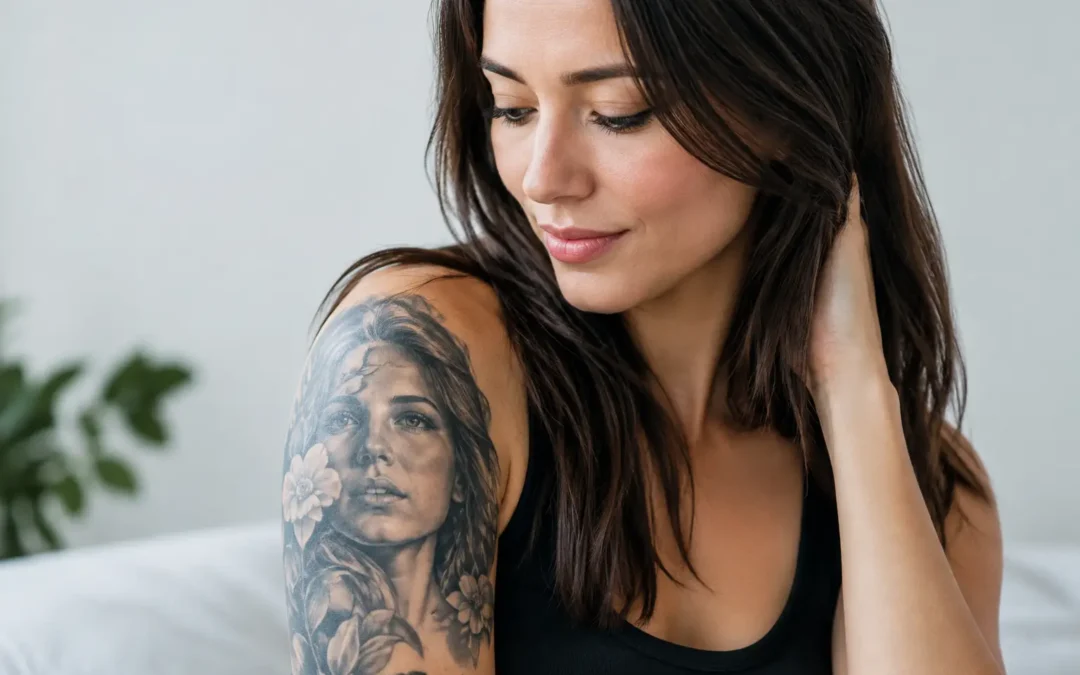
A portrait is not just a face on skin. It may be the person who raised you, the child who changed your life, a favorite artist, or a memory you want close every day. That is why tattoo portraits demand more than a recognizable likeness. They need strong reference material, thoughtful composition, and an artist who understands what makes a person feel like themselves.
The best tattoo portraits are built around that emotional connection from the first consultation. Technical skill matters, of course, but the goal is not to copy a photograph line for line. The goal is to create artwork that reads clearly, fits the body, and holds its meaning as the years pass.
Start With the Right Reference Photo
The reference image has a direct effect on the finished tattoo. A clear photo gives an artist the information needed to capture facial structure, expression, light, shadow, and small details that make the subject recognizable. A dark, blurry, heavily filtered, or distant image can limit what is possible, even in highly experienced hands.
Choose a reference where the face is well lit and in focus. Natural light often works beautifully because it shows the shape of the eyes, nose, cheekbones, and jaw without harsh flash or deep, lost shadows. If the portrait is for a memorial piece, you may not have a perfect photo. Bring every image you have. Sometimes one picture has the best expression while another provides better detail for hair, clothing, or facial features.
A meaningful photo is not always the most technically useful one. That is where collaboration matters. Your artist can help determine whether the image can work as is, whether details should be simplified, or whether elements from multiple photos should be combined into one custom design.
Realism Is Not the Only Direction
Many people picture black and grey realism when they think about portrait tattoos, and for good reason. Smooth shading, controlled contrast, and fine detail can create a striking image with depth and emotion. Still, realism is only one approach.
A black and grey portrait can feel timeless and dramatic, especially when it is paired with meaningful details such as a handwritten note, roses, clouds, a clock, or a background that supports the story. Full-color portraits can be equally powerful, particularly for pop culture subjects, pets, or images remembered through a specific setting and color palette.
Some clients prefer a fine-line interpretation, a painterly treatment, or a portrait integrated into a larger sleeve. The right style depends on the subject, your existing tattoos, the placement, and how much visual detail you want on the skin. A small portrait with too much requested realism can become crowded. A larger piece gives the artist room to build the values and features that make the image read correctly.
Size and Placement Shape the Result
Portrait work needs breathing room. The face may be the focal point, but the surrounding negative space, shadows, and background affect whether it looks crisp or compressed. This is why size is not simply a matter of preference. It is part of the design.
Areas such as the upper arm, forearm, thigh, calf, chest, and back can provide a solid canvas for portrait tattoos. They offer enough space to preserve facial detail and allow the design to follow the natural flow of the body. A portrait can work in a smaller format, but expectations must stay realistic. Fine eyelashes, subtle wrinkles, delicate jewelry, and soft background transitions may need to be simplified.
Placement also changes how a portrait is viewed. A forearm piece is visible often and can become part of your everyday presentation. A chest or upper arm placement may feel more private and personal. Larger work on the thigh or back offers room for a complete composition, especially if you want to include multiple people or create a scene around the central portrait.
During a consultation, be open about how visible you want the tattoo to be, whether you plan to build onto it later, and what other tattoos are already nearby. These details help the artist make decisions that protect the long-term look of the piece.
The Expression Matters More Than Every Tiny Detail
A successful portrait does not need to reproduce every pore to feel real. It needs to capture the features that make the person instantly familiar. The set of the eyes, the curve of a smile, a distinctive hairstyle, a serious expression, or the way light falls across the face can matter more than adding excessive detail.
This is especially true in memorial tattoos. Clients sometimes feel pressure to include every symbol, date, quote, and photograph connected to a loved one. Those elements can be meaningful, but too many competing details can take attention away from the face. A stronger design often has one clear focal point and a few supporting elements chosen with intention.
Trust the process when an artist recommends adjusting a background, increasing the size, simplifying an accessory, or changing the crop of the image. Those choices are not about taking away from your idea. They are about giving the portrait its best chance to stay readable and powerful over time.
Aging Is Part of Good Design
All tattoos age because skin changes. Sun exposure, friction, natural shifts in skin texture, and the way ink settles over time can soften details. Portrait tattoos are not exempt from this, which is why contrast and thoughtful linework matter so much from the beginning.
Strong blacks and properly planned shadows give a portrait structure. They create separation between features and prevent the face from looking flat as it heals and settles. An artist may recommend deeper values in areas that appear lighter in the reference photo because skin does not reflect light the way glossy paper does.
Aftercare protects the work during the critical healing period. Follow your artist’s instructions, avoid picking or scratching, keep the tattoo clean, and do not expose it to pools, oceans, or heavy sun while it heals. Once healed, sunscreen is one of the simplest ways to protect a portrait from unnecessary fading. If a future touch-up is needed, that is a normal part of maintaining detailed custom work.
Choose an Artist for More Than a Single Photo
When evaluating portrait tattoo work, look past one impressive close-up. Pay attention to consistency across an artist’s portfolio. Are faces proportioned well? Do the eyes look alive rather than flat? Is the contrast controlled? Do healed tattoos still show definition? Can the artist create different ages, skin tones, hairstyles, and lighting conditions without making every piece look the same?
You should also look for an artist who listens. A portrait is personal, and the best experience includes an honest conversation about your idea, budget, placement, timeline, and design priorities. It is better to hear a clear recommendation before the appointment than to make rushed decisions on tattoo day.
At Socrates Ink Gallery, the consultation is where an idea becomes a tattoo designed for your body, not a generic image pulled from a screen. Whether your vision is a black and grey memorial piece, a vivid color portrait, or part of a larger sleeve, the design should feel intentional before the machine ever starts.
Give the Design Room to Become Yours
Bring your story to the consultation. Explain why this person, image, or moment matters. Mention the details that cannot be missed, but also stay open to the artist’s direction on composition. The most lasting tattoo portraits are not just accurate. They are balanced, readable, and made to belong on the person wearing them.
When the design feels right, you should recognize more than a face. You should recognize the reason you chose to carry it with you.