
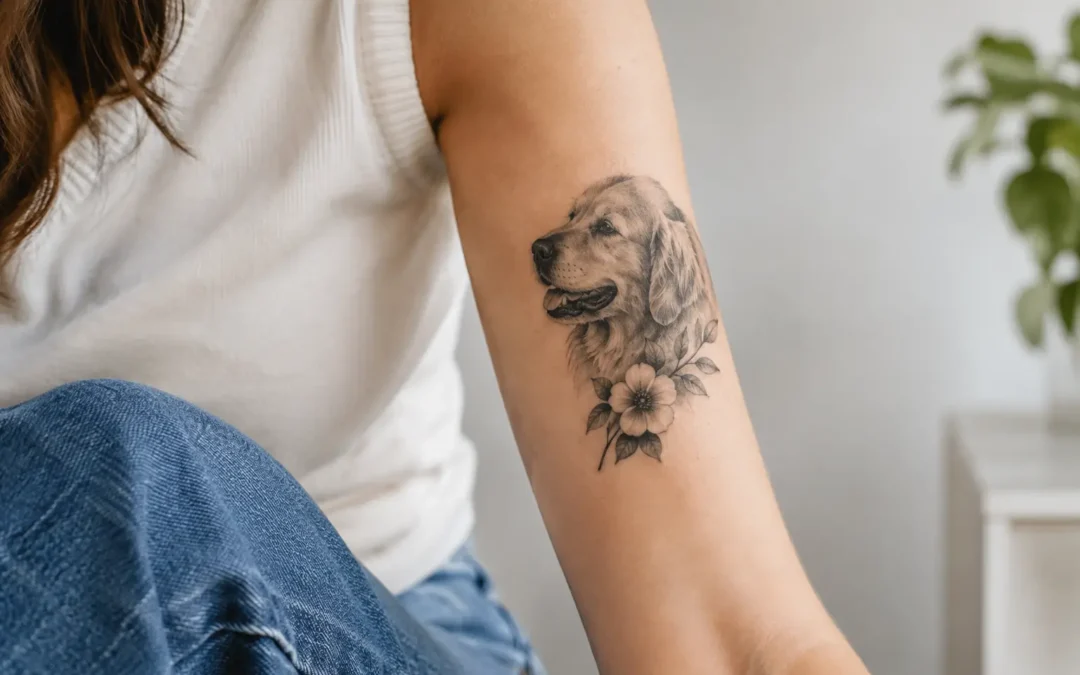
A memorial tattoo is not simply an image with a date underneath it. It is a permanent piece of art carrying someone’s voice, presence, history, or the way they made you feel. The strongest memorial tattoo examples begin with that personal connection, then translate it into a design that fits your skin, your style, and the way you want to remember them.
For some people, that means a detailed portrait. For others, it is a single line of handwriting, a favorite flower, or an object that would mean nothing to anyone else. There is no correct way to honor someone. There is only the design that feels honest to you.
Memorial Tattoo Examples With Real Meaning
The best memorial designs do not have to explain the entire story at first glance. They should hold the story for the person wearing them. A skilled artist can help turn a meaningful reference into a composition that works as a tattoo rather than forcing a literal idea onto the skin.
Handwriting and signatures
A handwritten note, signature, recipe card, birthday card, or short phrase can make a deeply personal tattoo. The irregularities in a person’s handwriting are often the point. A looped letter, a familiar slant, or a quick sign-off can bring back their presence in a way that a standard font cannot.
Keep the wording concise when possible. Fine details can soften over time, especially in very small placements. If the original note is long, choosing two or three words may create a clearer, more lasting design. An artist can preserve the character of the handwriting while adjusting spacing and line weight for readability.
Portrait tattoos
A portrait is one of the most direct memorial tattoo examples, but it demands careful planning and serious technical skill. The reference photo matters. A sharp, well-lit image that clearly shows the person’s expression gives the artist much more to work with than a dark, blurry snapshot.
Black and grey portraits can create depth, emotion, and a timeless finish, while color can be right when a specific detail matters – a uniform, a favorite dress, a bright background, or the color of a beloved pet’s eyes. Portraits generally need enough room for facial features to read well over the years. A forearm, upper arm, thigh, calf, chest, or shoulder often offers a better canvas than a tiny area of skin.
A portrait does not have to stand alone. Some clients build a full composition around it with flowers, clouds, a meaningful place, a favorite object, or subtle lettering. The key is restraint. Too many competing elements can pull attention away from the face.
Dates, coordinates, and meaningful numbers
Birth dates, passing dates, military service numbers, jersey numbers, house numbers, and geographic coordinates can honor a life without making the design overly literal. These details work well as stand-alone fine-line tattoos or as secondary elements within a larger piece.
Coordinates can mark a hometown, a family cabin, a favorite fishing spot, or a place where a significant memory happened. Roman numerals offer a classic look, but only when every digit is checked carefully before tattooing. Dates carry weight. Confirm spelling, numbering, and formatting during the design approval process, not after the stencil is applied.
Flowers, animals, and personal symbols
Symbols are powerful when they belong specifically to the relationship. A cardinal may recall a grandfather who watched birds every morning. A butterfly may represent a phrase your mother used to say. A dog’s collar tag, a guitar pick, a set of dice, a fishing lure, a pair of work boots, or a worn coffee mug may say more than a generic memorial image ever could.
Flowers can also carry personal meaning. You might choose a loved one’s birth flower, blooms from their wedding bouquet, the flowers in their garden, or a species that reminds you of a shared place. In black and grey, botanicals can frame lettering or portraits with soft movement. In color, they can become the visual center of the tattoo.
Choosing a Style That Matches the Memory
Style should support the story. Fine-line work is excellent for delicate handwriting, minimal symbols, and small floral designs, but it is not always the best choice for a design filled with tiny detail. A more substantial line weight may give a small tattoo better longevity.
Black and grey is often a natural fit for portraits, religious imagery, nostalgic objects, and larger compositions. It can feel quiet, refined, and emotionally focused. Full color may better serve memorials built around vibrant flowers, a favorite sports team, childhood artwork, or a treasured object whose color is part of the memory.
Japanese-inspired design can be meaningful when it aligns with the client’s taste and concept, particularly for larger symbolic work. The important thing is not choosing a style because it is trending. Choose it because it gives the memory the right visual language.
Placement Is Part of the Design
A memorial tattoo can be private, visible, or somewhere in between. Placement affects the size, shape, detail level, and how often you see the piece. A wrist or inner forearm keeps a small message close at hand. A chest placement can feel especially intimate. The upper arm, thigh, back, and calf offer more space for portraits and layered storytelling.
Think about your everyday life, too. Hands, fingers, feet, and areas exposed to frequent sun or friction may fade faster and often require a simpler approach. Ribs can create a beautiful vertical canvas for lettering or florals, though many clients find the area more sensitive. There is no need to prove anything by choosing the most painful spot. The right placement is the one that suits the design and feels right for you.
Bring References, Not a Finished Blueprint
You do not need to arrive with a perfectly designed tattoo. In fact, the most meaningful projects often begin with a few personal materials: photographs, a handwritten note, a song lyric, screenshots of text messages, a list of memories, or an object that represents the person.
During a consultation, those references become the foundation for an original drawing. Be clear about what must stay recognizable and where you are open to artistic interpretation. Maybe the exact handwriting is non-negotiable, but the surrounding flowers are flexible. Maybe the face needs to be accurate, while the background can be built from symbols that make the composition flow.
A custom design process also gives you room to edit. A memorial tattoo does not have to include every detail at once. If the idea feels crowded, choose the strongest element now and leave room for future additions. This is especially helpful when you may eventually build a sleeve or larger family tribute.
Give Yourself Permission to Take Your Time
Some people know exactly what they want soon after a loss. Others need months or years before a design feels right. Both are valid. You do not have to tattoo grief on a deadline, and you do not have to explain your timing to anyone.
Before booking, sit with the idea long enough to know whether you want a direct tribute or a more private symbol. Consider whether seeing it every day will bring comfort, strength, sadness, or a mix of all three. Memorial tattoos can hold complicated emotions. That does not make them less meaningful.
At Socrates Ink Gallery, a thoughtful consultation gives the idea room to become custom artwork, whether you are planning a small remembrance or a detailed portrait piece. The goal is not to rush a design onto skin. It is to create something worthy of the person and story behind it.
The right memorial tattoo will not replace someone you miss. It can give you a lasting way to carry a piece of their life forward, in a form that feels unmistakably yours.