
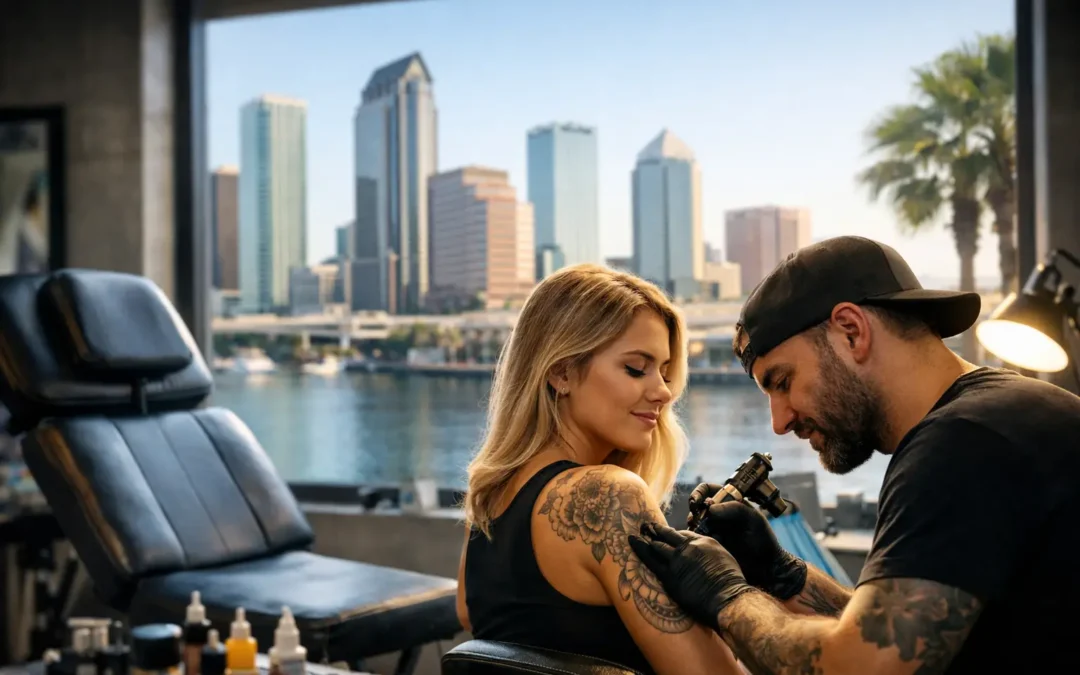
A tattoo is not a product you pull off a shelf. It is artwork placed on your body, built around your story, and meant to hold up over time. When people search for the best tattoo shops Tampa has to offer, they are usually looking for more than an open chair. They want an artist they can trust with a meaningful idea, a clean environment, and a result that still feels right years from now.
The right studio is rarely the one with the loudest promotion or the lowest price. It is the one where the artist’s work, process, communication, and standards match the tattoo you want. Whether you are planning your first fine-line piece, a full sleeve, a portrait, or a cover-up, taking the time to choose well is part of trusting the process.
What Separates the Best Tattoo Shops in Tampa?
Great tattoo studios make the experience feel personal without making promises they cannot keep. The strongest shops start by listening. An artist should want to understand the subject, placement, size, style, and meaning behind your idea before putting pencil to paper or needle to skin.
Custom work matters because a tattoo has to work with your body, not just look good in a photo. A design may need changes to fit the curve of an arm, the scale of a shoulder, or the details required for long-term readability. An artist-led studio will explain those choices clearly. That does not mean your original idea gets ignored. It means it gets translated into something that can become strong, lasting skin art.
Quality also shows up in consistency. Look through healed work as well as fresh tattoos. Fresh ink can look dramatic under studio lighting, but healed work reveals line quality, smooth shading, color saturation, and how well details settled into the skin. An artist does not need to specialize in every style, but their portfolio should show confidence in the style you are requesting.
Start With the Artist, Not the Shop Name
Tattooing is personal, and the artist is the person creating your piece. Before booking, spend time looking at portfolios with a specific eye. If you want black and grey realism, look for clean contrast, natural texture, and portraits that actually resemble their subjects. If you want full color, pay attention to saturation, color choices, and whether the composition still reads clearly from a few feet away.
For Japanese-inspired tattoos, sleeves, and large-scale work, examine flow. Strong work moves with the body and uses the available space with intention. For fine-line tattoos, look for steady lines, balanced spacing, and designs that avoid cramming tiny details into areas where they may blur together over time.
A versatile artist can be a great fit, but versatility is not the same as being the right fit for every project. Ask yourself a simple question: would you be happy if your tattoo looked like the examples in this artist’s portfolio? If the answer is uncertain, keep looking.
A good consultation should feel collaborative
A consultation is not a sales pitch. It is where you and the artist decide whether the idea, placement, budget, and timeline make sense. Come prepared with references, but do not expect an exact copy of another person’s tattoo. References are useful for showing mood, subject matter, colors, or composition. Your final tattoo should be developed for you.
The right artist will ask useful questions and give honest feedback. They may recommend making a design larger, simplifying a detail, moving placement, or breaking a large project into multiple sessions. That guidance protects the final result. A tattoo that is rushed to fit a budget or forced into a space that is too small can create disappointment that is far more expensive to fix later.
Cleanliness Is Not a Bonus
Every professional tattoo experience should take sanitation seriously. You should see a clean, organized workspace and feel comfortable asking how equipment and surfaces are prepared. Artists should use single-use needles and disposable items where appropriate, wear fresh gloves, and maintain a work area that is set up specifically for your session.
Cleanliness also includes how the studio handles the client experience. The space should feel professional, and you should receive clear aftercare instructions before you leave. Healing is part of the tattoo process. Even excellent work needs proper care to heal well, so a studio should make sure you understand how to protect your new tattoo once the appointment ends.
If anything feels careless, rushed, or unclear, treat that feeling seriously. You are allowed to ask questions before committing to a permanent piece.
Price Should Reflect the Work, Not Pressure You
Price matters, but it should not be the only deciding factor. Custom tattoos involve design time, consultation, setup, materials, technical experience, and the time spent applying the tattoo. A small, simple design and a detailed full sleeve are not comparable projects, and a cover-up may require more planning than a tattoo of the same size on clear skin.
Be wary of a quote that sounds too good to be true, especially for complex work. Low pricing can sometimes mean less time spent designing, rushed sessions, or an artist working beyond their current skill level. On the other hand, a higher price alone does not guarantee quality. The value should be visible in the artist’s portfolio, communication, studio standards, and plan for your tattoo.
A professional shop should be straightforward about how it prices work, whether by piece, session, or hourly rate. For large projects, ask how many sessions may be needed and how the artist approaches design continuity from one appointment to the next.
Red Flags Worth Walking Away From
Most clients can spot great artwork quickly, but poor process can be easier to miss when you are excited to get tattooed. Slow down if you encounter any of these signs:
- An artist cannot show a portfolio relevant to the style you want.
- The studio is unwilling to discuss sanitation, aftercare, deposits, or pricing structure.
- You are pressured to book immediately or discouraged from asking questions.
- The artist agrees to copy another tattoo exactly instead of creating an original design.
- A complicated tattoo is promised at an unrealistically small size, low price, or short appointment.
None of these points automatically tells the whole story, but together they can reveal whether a studio values long-term results or simply wants to fill a chair.
Match the Shop to Your Tattoo Goal
The best choice depends on what you want. A first-time client may need an artist who explains every stage and creates a calm, comfortable experience. A collector building a sleeve may need someone with the vision to plan a complete composition instead of treating each section as a separate tattoo. Someone seeking a cover-up needs an artist who can assess existing ink honestly and build a design around the limitations of the area.
At Socrates Ink Gallery, the focus is on translating personal ideas into custom artwork through a thoughtful consultation, original design development, and professional application. That approach is especially valuable when your concept carries real meaning but needs an experienced artist’s eye to become a tattoo that fits, flows, and lasts.
Walk-ins can be a good option for smaller pieces when availability allows, but appointment-based planning is usually the better route for custom tattoos. It gives you and the artist room to discuss the project, refine the concept, and reserve the time the work deserves.
Bring the Right Questions to Your Consultation
You do not need tattoo vocabulary to have a productive consultation. Explain what the tattoo means to you, where you are considering placing it, and what styles catch your attention. Then ask how the artist would approach the design, what size they recommend, and what may need to change for the tattoo to age well.
Also ask about scheduling, deposits, preparation, pain expectations, and aftercare. A good studio will answer directly without making you feel inexperienced. First-time clients deserve clarity, and experienced clients deserve an artist who respects their time and vision.
The tattoo you choose should feel considered, not impulsive or pressured. Bring your idea, be open to professional guidance, and give the artist enough room to create something worthy of permanent space on your skin.