
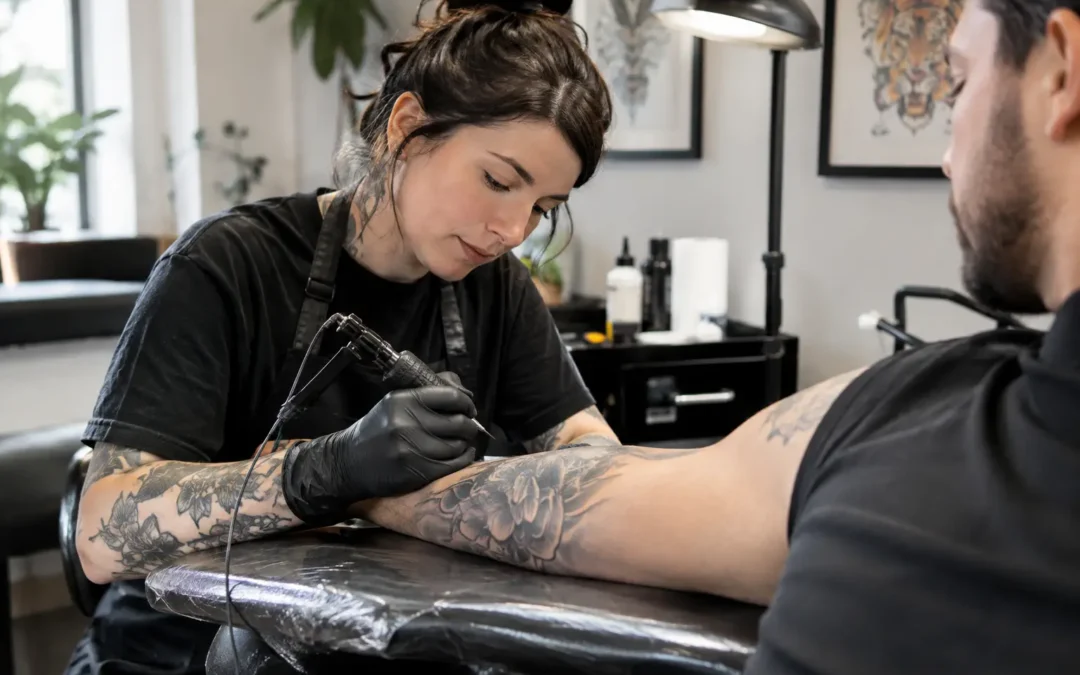
A custom tattoo studio review should tell you more than whether someone liked the final photo. A tattoo is permanent, personal, and often built around a story that matters. The reviews worth your time reveal how a studio treats the full experience: listening to your idea, creating original art, maintaining a clean space, and supporting you from consultation through healing.
A five-star rating is a useful starting point. It is not the whole picture. Read beyond the number to understand what clients actually experienced and whether that experience matches the kind of tattoo project you have in mind.
What a Custom Tattoo Studio Review Should Reveal
The strongest reviews describe specifics. Instead of saying an artist was “great,” a meaningful review may explain that the artist took time to understand a memorial concept, improved a rough reference, or created a composition that fit naturally with an existing sleeve. Those details point to a studio that sees tattooing as custom art, not a transaction.
Look for comments about communication before the appointment. A thoughtful consultation matters, especially for portraits, cover-ups, Japanese-inspired work, full sleeves, and other larger projects. You should get the sense that the artist asks questions, gives honest guidance, and explains what will work on skin over time.
A client may arrive with a clear vision, a folder full of references, or only a feeling they want to turn into artwork. All three are valid starting points. The artist’s job is not to copy every image exactly. It is to translate the best parts of your idea into a tattoo with strong flow, readable detail, and a design that belongs on your body.
Reviews should mention the design process
Custom work deserves a custom process. Pay attention when reviewers mention collaboration, revisions, placement discussions, or an artist’s willingness to explain design choices. That does not mean a client should expect unlimited redraws or a complete finished design sent weeks in advance. Every studio handles artwork review differently, and artists need to protect the original work they create.
What matters is clarity. You should know how to prepare for your consultation, what references are helpful, how the design will be discussed, and when placement is finalized. A good experience feels guided, not rushed or vague.
Artistic Quality Is More Than a Social Media Photo
Portfolio images can be impressive, but a review adds context that photos cannot. It can tell you whether an artist is consistent, patient during long sessions, and capable of delivering the style promised. It can also reveal whether clients feel their tattoo looks intentional from every angle, not just in one carefully cropped image.
Style fit matters. A talented fine-line artist may not be the right match for a saturated color sleeve, just as an artist known for black and grey realism may approach a delicate script piece differently. Find reviews from clients whose projects resemble yours in scale, style, or complexity.
For a cover-up, the artist’s experience is especially important. A reviewer may explain how the artist assessed the old tattoo honestly, adjusted expectations, and built a new design around the realities of color, contrast, and scar tissue. Promises that a cover-up will make an old tattoo disappear completely should raise questions. Strong cover-ups use smart design, adequate scale, and deliberate contrast to create a better result, not false guarantees.
Cleanliness and Professionalism Belong in Every Review
Sanitation is not an optional bonus. It is a baseline expectation at a professional tattoo studio. Reviews often give you a useful view of what the environment feels like when clients walk in: clean work areas, organized stations, fresh supplies, and a staff that takes health and safety seriously.
Look for comments about clients feeling comfortable, informed, and cared for. First-time clients may be nervous about pain, preparation, or aftercare. Experienced collectors may be focused on session pacing, large-scale planning, and consistency across multiple appointments. Both need a studio that respects their time and makes the process feel professional.
A clean studio also tends to reflect an organized process. That can mean clear booking expectations, straightforward deposit policies, timely communication, and aftercare instructions clients can actually follow. No review can replace your own judgment when you arrive, but repeated mentions of cleanliness and professionalism are meaningful signals.
Pay attention to how a studio handles nerves and questions
The best tattoo experience is not always painless or effortless. A long session can be demanding, and certain placements are more sensitive than others. What clients often remember is how the artist handled those moments.
Reviews that mention a calm atmosphere, breaks when needed, clear explanations, and respectful communication are valuable. You should never feel embarrassed for asking about placement, pain level, healing, pricing, or whether an idea needs more time to develop. Trust is built in those conversations.
Read Reviews With a Clear Eye
Not every negative review means a studio does poor work, and not every glowing review tells the full story. Tattooing is personal. Sometimes a client wants a design copied exactly, while an artist recommends changes to protect the quality and longevity of the piece. That tension can appear in feedback, particularly when expectations were not discussed early.
Read patterns rather than reacting to one isolated comment. If multiple reviews praise an artist’s attention to detail, calming presence, or ability to make ideas feel personal, that is useful. If multiple people mention missed communication, rushed appointments, or concerns about cleanliness, take that seriously too.
It also helps to consider when the review was written. A client may be thrilled immediately after a session, but healed-tattoo feedback can be particularly informative. Fresh tattoos are bright, sharp, and exciting. Healing reveals how a design settles into the skin and whether the client received dependable aftercare guidance.
Questions to Ask After Reading Reviews
Once a studio seems like a potential fit, move from research to a real conversation. Share your idea, preferred style, placement, approximate size, and any existing tattoos that may affect the composition. Bring reference images to show direction, but stay open to the artist’s creative input.
Ask how consultations work, whether your project is best completed in one session or several, and what preparation is expected before your appointment. If you are considering a cover-up, be ready to send clear photos and discuss the age, color, and condition of the existing tattoo. Honest information gives the artist the best chance to create a strong plan.
You should also ask about healing instructions and touch-up policies. The answers do not need to sound scripted, but they should be direct. A professional studio wants you to understand how to protect your investment after you leave the chair.
Choose the Artist, Not Just the Rating
The right studio is the one that combines a style you genuinely connect with, a clean and professional environment, and an artist who takes your idea seriously. A high rating may get your attention, but the details inside a custom tattoo studio review help you decide whether the studio can create artwork you will be proud to wear for years.
At Socrates Ink Gallery, the process begins with listening, then turns your direction into original artwork built for your skin, your placement, and your story. Whether you are planning your first small piece or a large custom project, give yourself room to ask questions, trust the process, and choose an artist whose work feels right before the needle ever touches your skin.