
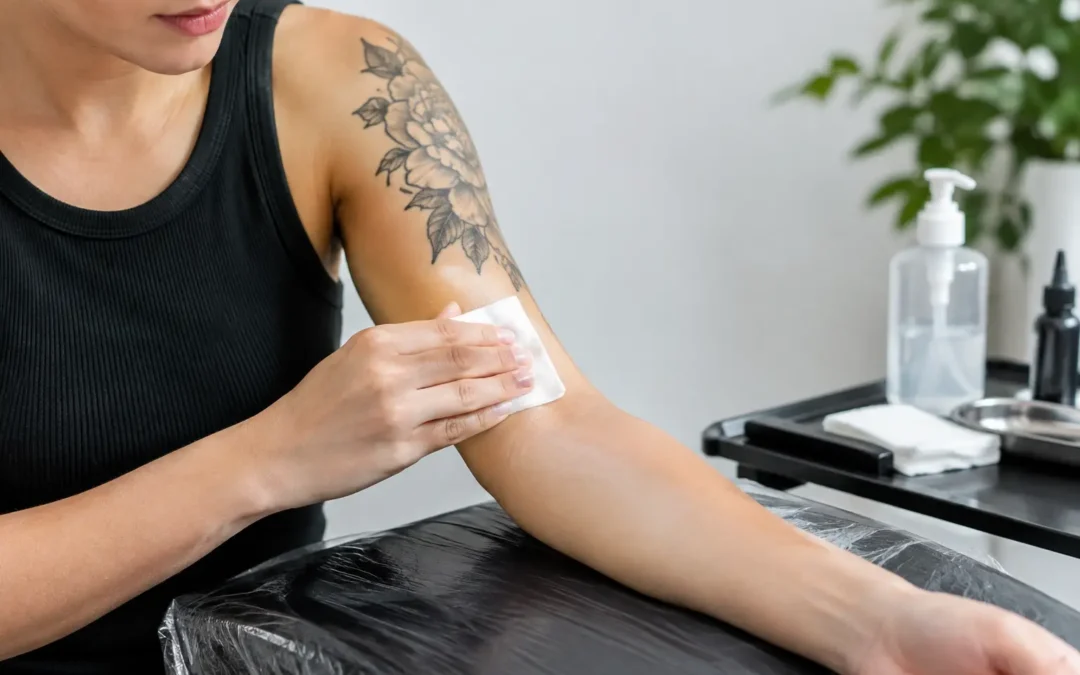
A fresh sunburn, a patch of irritated skin, or showing up dehydrated can change more than your comfort level on tattoo day. When you prepare skin before tattooing, you give your artist a cleaner, healthier canvas and give yourself a better chance to sit comfortably through the work. That matters whether you are coming in for a fine-line piece, a detailed portrait, or the next section of a full sleeve.
Great tattoos start before the stencil goes on. The preparation is simple, but it should be taken seriously. Your skin is about to become the surface for permanent custom artwork, and a little planning helps protect both the process and the final result.
Prepare Skin Before Tattooing: Start Days Ahead
Your preparation should begin several days before your appointment, especially in Tampa, where strong sun and outdoor time can catch people off guard. Healthy skin is hydrated, calm, and free of damage. Skin that is burned, peeling, scratched, or actively irritated may not be appropriate to tattoo.
Drink water consistently in the days leading up to your session. Hydration does not replace proper skincare, but well-hydrated skin generally feels better and can make a long appointment more manageable. Do not try to make up for several days of low water intake by drinking an extreme amount the night before. Steady habits work better.
Use a basic, fragrance-free moisturizer if that is already part of your routine, particularly on dry areas such as the arms, legs, or hands. Avoid testing a new product right before an appointment. A reaction to a new lotion, body oil, exfoliant, or self-tanner is the last thing you want when your session is scheduled.
Sun protection deserves special attention. Do not intentionally tan the area being tattooed, and do not expose it to enough sun that it becomes red, tender, or starts peeling. A sunburn can force a reschedule because tattooing damaged skin is not worth the risk. Your artist is focused on creating lasting artwork, not pushing through a preventable problem.
Keep the Tattoo Area Calm and Intact
Avoid harsh exfoliation, chemical peels, waxing, or aggressive scrubbing on the tattoo area shortly before your appointment. These can leave the skin sensitive or create tiny abrasions that may not be obvious until the needlework begins. If you use prescription skincare, retinoids, or strong acne treatments near the placement area, bring that up during your consultation or contact the studio before your session.
Do not pick at blemishes, ingrown hairs, scabs, or dry patches. It can be tempting to “clear up” the area yourself, but broken skin creates a problem that makeup and moisturizer cannot solve. Let the area heal fully instead.
If you develop a rash, infection, unusual irritation, open cut, or cold sore near the planned tattoo site, let your artist know as soon as possible. The right call may be to move the appointment. Rescheduling can be disappointing, especially when you are excited about a design, but waiting protects your health and the quality of the tattoo.
Shaving and Hair Removal
Unless your artist gives you specific instructions, do not shave the area immediately before your appointment. Shaving can create razor burn, nicks, and irritation. In most professional studios, the artist will prepare and shave the skin as needed using clean, appropriate materials before applying the stencil.
If you normally wax the area, plan well ahead. Waxing too close to the appointment can leave skin reactive. The timing depends on your skin and the placement, so ask during the consultation rather than guessing.
The Night Before: Make Recovery Easier
Get a full night of sleep. Tattooing requires you to sit still, communicate clearly, and manage discomfort over time. Arriving exhausted can make every part of the appointment feel harder than it needs to be.
Avoid alcohol the night before and on the day of your tattoo. Alcohol can affect hydration and may increase bleeding during the session, making it more difficult for the artist to work cleanly and precisely. Recreational substances can also affect your ability to give informed consent, stay still, and notice how you are feeling.
If you take prescription medication or over-the-counter products that may affect bleeding, do not stop them on your own. Speak with your prescribing clinician and tell your tattoo artist about anything relevant before the appointment. Honest communication is part of a safe, professional process.
Lay out comfortable clothing that gives your artist easy access to the placement. For an upper-arm tattoo, a loose tank top may be more practical than a fitted long-sleeve shirt. For a leg piece, shorts or loose pants can work well. Choose something you will not mind getting a small amount of ink or ointment on.
What to Do on Tattoo Day
Take a normal shower and arrive clean. Use mild soap, rinse well, and dry the area with a clean towel. Unless the artist specifically tells you otherwise, skip heavy body lotion, oils, perfume, and self-tanner on or near the tattoo placement that morning. These products can interfere with skin prep and stencil placement.
Eat a real meal before you arrive. A tattoo appointment is not the day to skip breakfast or lunch because you are nervous. Choose food with protein and carbohydrates that you know sits well with you. Bringing water and a simple snack is smart for longer sessions, especially if you are working on a sleeve, back piece, cover-up, or detailed color tattoo.
Wear layers if you tend to get cold. Many clients find that their body temperature shifts during a longer session, and being comfortable helps you stay relaxed. Bring headphones, if permitted, or something quiet to help pass the time, but stay available when your artist needs your attention for placement, feedback, or breaks.
Ask Before Using Numbing Products
Do not apply a numbing cream, spray, or patch without checking with your artist first. Some products can change how the skin feels or behaves, affect stencil adhesion, or create complications if they are used incorrectly. The right approach depends on the product, placement, session length, and your skin.
A professional artist would rather answer the question before your appointment than deal with an unexpected product after you arrive. At Socrates Ink Gallery, preparation is part of the collaboration, not an afterthought.
Be Honest During the Consultation
A consultation is where an idea becomes a tattoo plan. It is also the right time to talk about anything that could affect your skin or comfort, including allergies, sensitive skin, recent procedures, medical conditions, or a history of fainting during needles.
Share clear reference images, but leave room for the artist to design for the body. A strong tattoo is not simply an image copied onto skin. Placement, flow, scale, skin tone, existing tattoos, and the way your body moves all influence the final design. This is especially true for portraits, Japanese-inspired work, large black-and-grey pieces, and cover-ups, where technical planning makes a visible difference.
Your artist may recommend a different size, placement, or session plan than you originally imagined. That is not a detour from your idea. It is often the professional guidance that helps the artwork age better and read clearly from a natural viewing distance.
Know When to Reschedule
There are times when the strongest move is to wait. Reschedule if you are sick, feverish, severely sleep-deprived, sunburned, experiencing a skin flare-up, or unable to eat and hydrate normally. The same goes for major last-minute changes in medication or health that you have not discussed with a qualified professional.
Arriving prepared is a sign of respect for your body, your time, and the artist creating something permanent for you. Come in rested, fed, hydrated, and ready to trust the process. Then you can put your focus where it belongs: on the custom artwork about to become part of your story.