
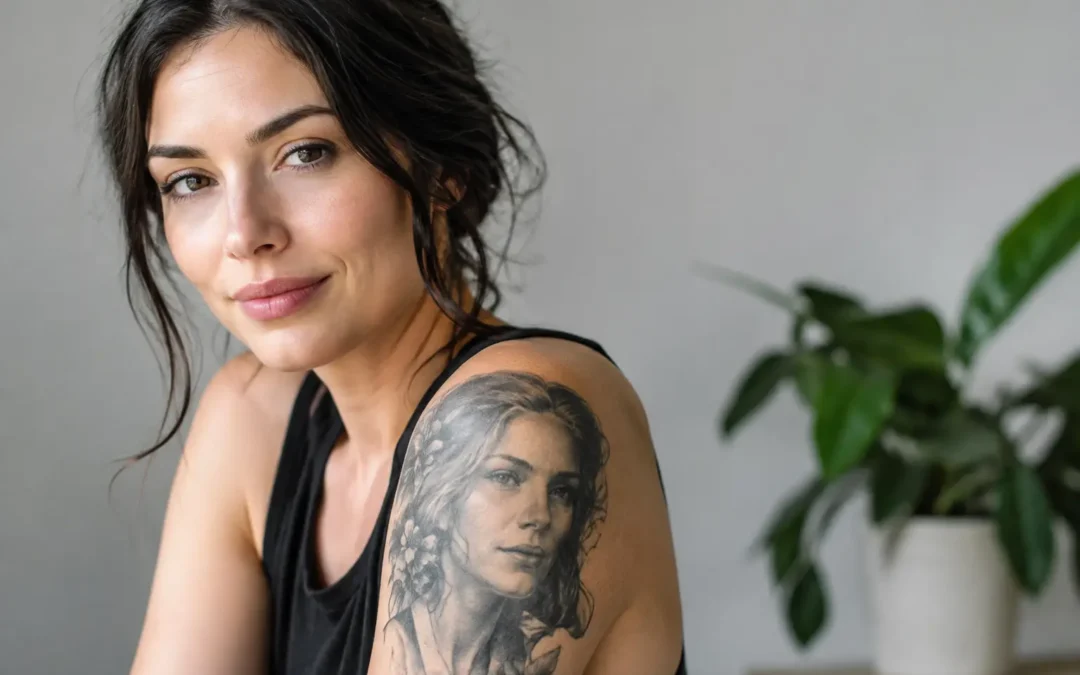
A portrait can hold a person’s expression, presence, and story in a single image. That is exactly why portrait tattoos deserve more planning than most designs. Whether you are honoring a family member, celebrating a child, remembering a pet, or carrying an icon who shaped your life, the goal is not simply to copy a photograph. The goal is to create artwork that feels true to the person and stays readable on skin for years.
At Socrates Ink Gallery, portrait work begins with the same principle as every meaningful custom tattoo: trust the process. A strong result comes from the right reference, an honest conversation about size and placement, and an artist who understands how detail, contrast, and skin work together.
What Makes a Portrait Tattoo Successful?
A successful portrait is recognizable before anyone studies it closely. The eyes feel alive, the features sit naturally, and the expression carries the personality you wanted to preserve. It does not need to reproduce every pore, eyelash, or wrinkle from a photo. In fact, forcing too much tiny detail into too little space is one of the fastest ways to make a portrait lose clarity over time.
Portrait tattooing is a balance of accuracy and interpretation. Skin is not paper, and a tattoo is not a printed photograph. Ink settles, lines soften, and the body moves. An experienced artist plans around those realities, using contrast and intentional detail to make the image hold up.
The best portraits usually have a clear focal point. In a human portrait, that is often the eyes and the relationship between the nose, mouth, and face shape. In a pet portrait, it may be the eyes, ear position, and markings that immediately say, “That’s my dog” or “That’s my cat.” Those details matter more than trying to include everything.
Start With the Right Reference Photo
The reference image is the foundation of the design. A meaningful photo is valuable, but sentiment alone does not always make it tattoo-ready. A dimly lit snapshot, a face hidden by sunglasses, or an image captured from far away may not give the artist enough information to build a strong portrait.
The ideal photo is clear, high-resolution, and evenly lit. The subject’s face should be visible without harsh shadows cutting across important features. A photo taken at eye level often works well because it keeps proportions natural, though a dramatic angle can be effective when it is intentional and supported by a clear image.
Bring more than one image when possible. One photo may have the perfect expression while another shows the eyes, hair texture, or facial structure more clearly. Additional photos also help an artist understand the subject beyond a single frozen moment. This is especially helpful for memorial tattoos, where clients may have only a few older photographs to work from.
A good consultation is the place to discuss what must be included and what can be adjusted. Maybe the smile is essential. Maybe a certain hat, uniform, necklace, or background element tells part of the story. These details can be incorporated without competing with the portrait itself.
Size and Placement Protect the Detail
Portrait tattoos need room to breathe. This is not a sales pitch for making every tattoo larger. It is practical design planning. The smaller the portrait, the less room there is for subtle shading, realistic eyes, natural skin texture, and the clean separation of facial features.
For a highly detailed realistic portrait, areas such as the upper arm, forearm, thigh, calf, chest, and upper back often provide the space and smoother canvas that the design needs. These placements can support a stronger composition and give the artist more control over proportion.
Placement also affects how the portrait is viewed. A vertical face can work beautifully on the forearm or calf, while a wider composition with multiple subjects may suit the chest, thigh, or back. If the portrait is part of a sleeve, the artist will consider how it connects with surrounding elements rather than treating it as an isolated image.
Skin tone, existing tattoos, scars, and body movement matter too. A consultation should include an honest conversation about these factors. The right design can often work around them, but the plan may need to change. That is not a compromise in quality. It is how custom work stays intentional.
Black and Grey or Full Color?
Black and grey portrait tattoos remain a popular choice because they create depth, drama, and a timeless photographic feel. Smooth shading can capture soft expressions, aged photographs, dramatic lighting, and the kind of emotional weight many clients want from a memorial piece.
Full-color portraits can be equally powerful, especially when color is central to the memory. A child’s bright outfit, a pet’s distinct coat, a favorite musician’s stage look, or a vivid background may call for color. The trade-off is that color requires careful planning to keep the face readable. Strong contrast still matters, even in a bright design.
Neither style is automatically better. The best choice depends on your reference photo, the emotion you want the tattoo to carry, the placement, and the rest of your existing work. Black and grey may fit a larger sleeve more naturally, while color can make a single standalone piece feel personal in a different way.
Design the Story Around the Face
A portrait can stand alone, but supporting elements often turn it into a complete custom piece. Dates, handwriting, flowers, religious imagery, smoke, clouds, a favorite place, or an object connected to the person can add context. For a pet portrait, a collar tag, toy, paw print, or natural setting can bring the image closer to home.
The key is restraint. Too many background ideas can crowd the face and weaken the emotional center of the tattoo. During the drawing process, prioritize the parts of the story that truly matter. A single meaningful element placed well is often stronger than a collage of unrelated symbols.
If you are building a larger project, think beyond the first appointment. Portraits can become anchors for a sleeve, chest panel, or leg piece. Planning the overall flow from the beginning helps prevent awkward empty areas or background filler later. Custom tattooing is strongest when the design has direction.
Choose an Artist for More Than a Style Label
Realism is a technical style, but a great portrait artist also needs strong drawing ability, patience, composition skills, and an understanding of how tattoos age. Before committing, look closely at healed work as well as fresh photos. Fresh tattoos can look extremely sharp, but healed work shows how the design settles into skin.
Pay attention to facial proportions, smoothness of shading, clean transitions, and whether each portrait feels like a specific individual rather than a generic face. Look for consistency across different ages, skin tones, lighting conditions, and subject matter. Human portraits and pet portraits ask for related but different skills.
You should also feel comfortable communicating with the artist. A portrait tattoo is personal. You need room to explain what matters, ask questions, and hear professional feedback about what will work best. An artist who tells you a requested size is too small or a reference needs improvement is protecting the final piece, not making the process difficult.
Prepare for the Appointment and the Healing Process
Show up rested, hydrated, and ready for a focused session. Eat a solid meal beforehand and wear clothing that gives comfortable access to the placement area. If your portrait will take multiple sessions, schedule with enough space to heal properly between appointments.
Aftercare matters just as much as the session itself. Follow the instructions you receive, keep the tattoo clean, avoid soaking it, and protect it from direct sun while it heals. Once healed, sunscreen helps preserve contrast and keeps the artwork looking its best. Do not pick at peeling skin or judge the tattoo too early. Healing can make a fresh piece appear cloudy before it settles.
A portrait tattoo asks you to make thoughtful choices, but that is part of what gives it weight. Bring the memory, the reference, and the story behind it. Then give the design enough space, time, and craftsmanship to become something you will be proud to wear every day.