
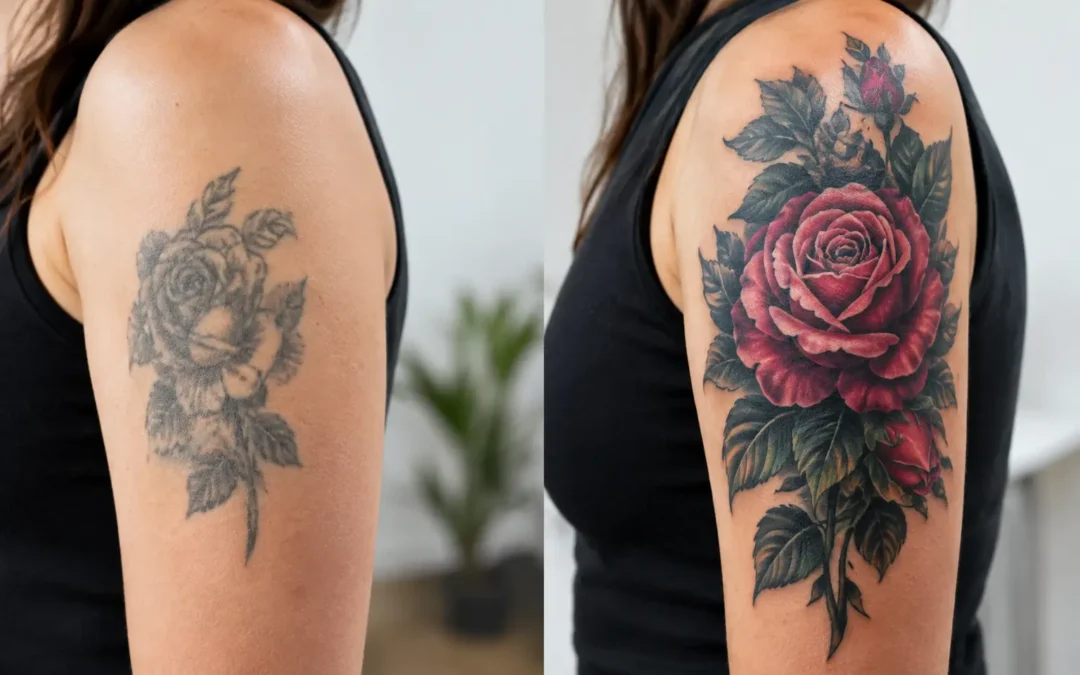
An old name, a faded symbol, a design that never matched your style – tattoo coverups give you a chance to move forward without pretending the past was never there. The goal is not simply to hide unwanted ink under something darker. A successful cover-up is a new piece of custom art, designed around your skin, your existing tattoo, and the way you want to feel when you look at it.
A good artist does not force a random image over an old tattoo. They study the lines, color, placement, age, and condition of the existing work, then build a design with enough movement, contrast, and intention to make the old piece disappear into the new one. That process takes honest planning. It also creates the difference between a cover-up that looks heavy and a tattoo that looks like it belonged there from the beginning.
What Makes Tattoo Coverups Work
Tattoo ink sits in the skin. It cannot be painted over the way you would cover a mark on a wall, so cover-ups rely on visual strategy rather than a single layer of dark ink. The new design needs to break up the old lines, redirect the eye, and place stronger details where they will do the most work.
Scale is often the first consideration. In many cases, the cover-up needs to be larger than the tattoo underneath it. That does not mean every old design becomes a full sleeve or a massive back piece. It means the new composition needs enough room for shadows, texture, background, and natural flow. A small, dense tattoo may require a medium-sized design to cover it cleanly.
Contrast matters just as much. Black and grey designs can use deep shadows, smooth gradients, and textured elements to absorb old ink. Full-color work can be effective when the colors are strong enough and the original tattoo is light enough, but color does not automatically cover dark lines. An experienced artist will explain where darker tones need to go and where the design can stay open and readable.
The strongest tattoo coverups also use subject matter that naturally contains detail. Florals, animals, Japanese-inspired imagery, ornamental patterns, smoke, clouds, fabric, feathers, and realistic textures can all create opportunities to disguise previous linework. Portraits can work in the right situation, but they require careful placement and should never be used as a quick fix for a difficult old tattoo.
Start With an Honest Consultation
Bring clear photos of the tattoo you want to change, along with any reference images that show the style you are drawn to. If the tattoo is on a curved area like the shoulder, thigh, forearm, or calf, photos help start the conversation, but an in-person consultation is where the real planning happens. Your artist needs to see the tattoo at its actual size, how it sits on your body, and how the skin has healed.
Be direct about what you dislike. Maybe the issue is the subject, the color, the placement, or the memory attached to it. Just as useful is knowing what you do want. You may want something elegant and minimal, bold and dark, colorful, sentimental, or connected to a larger sleeve. Those preferences guide the concept from the start.
This is also the right time for your artist to be honest with you. Some tattoos can be covered in one carefully designed piece. Others may benefit from one or more laser-lightening sessions first. Lightening does not need to erase the old tattoo completely. Even reducing the darkness of a few lines or a solid black area can give the artist more freedom to create a cleaner, brighter result.
At Socrates Ink Gallery, the consultation is where an idea becomes a design direction. The focus should be on building a piece that fits your body and your vision, not selling you a design that happens to be easy to tattoo.
Expect the Design to Follow the Existing Ink
A cover-up design is not always placed exactly where you would put a fresh tattoo on blank skin. Existing marks influence the composition. Your artist may recommend extending the piece upward, wrapping it around the arm, adding a background element, or changing the orientation of the main subject.
That is not a compromise in the negative sense. It is how custom tattooing works. When the composition follows the body and uses the old tattoo intelligently, the finished work feels intentional. Trying to keep the new tattoo too small or too rigidly centered can leave old lines visible or make the piece look crowded.
Choosing the Right Style for a Cover-Up
The best style depends on the ink you already have and the art you want to wear long term. Black and grey is a strong choice for many cover-ups because it allows for depth without relying on flat, solid black. Realistic textures, rich shading, and layered backgrounds can create a dramatic result while keeping the tattoo readable as it ages.
Color cover-ups can be striking, especially over older faded tattoos. Rich greens, reds, blues, and purples may help redirect attention from unwanted ink, but they need to be chosen with care. Your skin tone, the darkness of the original tattoo, and the placement all affect how color will heal. A skilled artist will not promise that a light color can hide a dark outline when it cannot.
Fine-line work is usually less forgiving. Delicate designs are beautiful on clear skin, but they rarely provide enough density to hide bold, dark, or uneven existing tattoos. There are exceptions when the old ink is extremely light or partially removed, but fine line should be approached with realistic expectations.
Japanese-inspired work, large florals, wildlife, and black-and-grey illustrative designs are often excellent directions because they can grow naturally around existing ink. They offer visual movement and enough detail to create a complete composition instead of a patch placed over a problem area.
What to Avoid When Planning a Cover-Up
The biggest mistake is choosing a design based only on what will hide the old tattoo fastest. You will live with the new piece, so it still needs to reflect your taste. A cover-up should not replace one regret with another.
Avoid asking for a tiny, light design over a large, dark tattoo. Avoid relying on white ink to erase black lines. And avoid rushing into an appointment without giving the artist room to develop the artwork. Cover-ups reward patience because every choice, from the direction of a leaf to the depth of a shadow, has a job to do.
It is also worth thinking beyond the covered area. If the tattoo is part of a future sleeve, chest panel, or leg project, tell your artist now. Planning for what comes next helps the new piece connect naturally with future work instead of boxing you into a limited layout.
Preparing for Your Appointment
Once the design is approved, treat your appointment like you would any serious tattoo session. Arrive rested, hydrated, and well fed. Wear clothing that gives the artist easy access to the area without making you uncomfortable. Avoid alcohol before your appointment, and do not show up with sunburned or irritated skin.
Cover-ups can take longer than clients expect. Building smooth saturation and layered shading may require multiple sessions, especially for larger work or tattoos with dense original ink. This is normal. Rushing the process can affect comfort, healing, and the quality of the final piece.
Aftercare matters too. Follow your artist’s instructions closely, keep the tattoo clean, and resist picking or over-moisturizing as it heals. A cover-up needs time to settle before anyone can fairly judge the finished result. In some cases, a brief touch-up after full healing is part of refining the work, not a sign that the project failed.
Your old tattoo does not get the final say in what your skin can become. Bring your ideas, be open to expert direction, and give the design enough room to do its job. With the right artist and a thoughtful plan, the next tattoo can be the one you are proud to show first.